See Printable Version Email This Page to a Friend

What's Happening from BuildingGreen.com
July 14, 2009

All LEED Projects to Provide Actual Performance Data

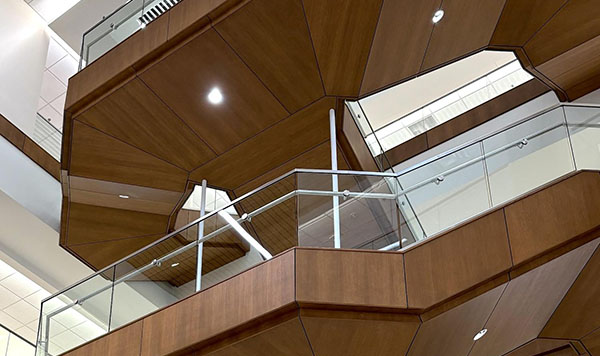
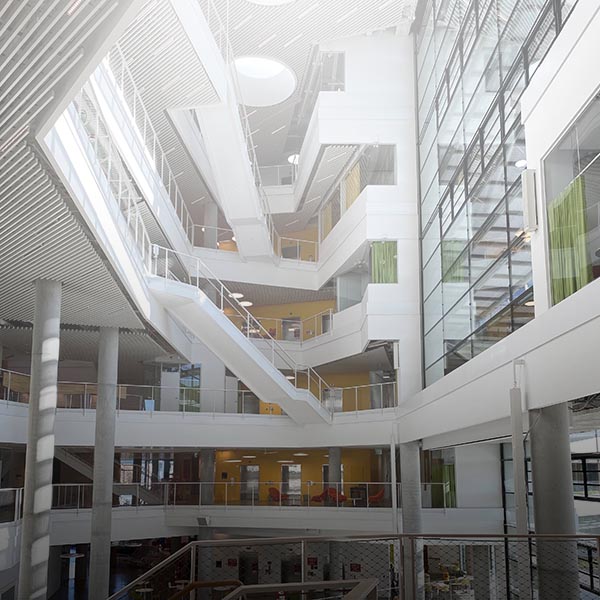
All LEED projects will now be required to track and report actual energy performance. The Terry Thomas, a LEED Platinum building in Seattle, has a measurement and verification plan that includes tracking of electricity, gas, and water use.

With the April 27, 2009, release of the LEED 2009 family of rating systems, the U.S. Green Building Council (USGBC) introduced a new element to its LEED package: minimum project requirements (MPRs). They vary slightly by rating system, but in general they aim to exclude structures from LEED that are too small, unoccupied, or mobile. They require a reasonable site definition, and compliance with environmental laws. Most significantly, they require owners of all certified projects to provide energy- and water-use data to USGBC for five years from the time of occupancy.

Citing USGBC-supported research showing that LEED projects do not consistently perform up to expectations, and attacks on LEED’s credibility as a driver of energy savings, Scot Horst, senior vice president for LEED at USGBC, told EBN: “It is absolutely essential that we introduce this issue of performance into LEED.” The user community agrees, according to Horst: “the overwhelming response has been nothing but extremely positive,” he said.

To enforce these requirements, USGBC has, for the first time, retained the right to revoke a LEED certification. That possibility has raised some fear on the part of owners, especially those with building permits or financial incentives tied to LEED certification. The blog Green Building Law Update featured several posts about this issue in early July, in which editor Chris Cheatham came down in support for the requirements, while acknowledging legal and contractual concerns expressed in the comments. Lawyers and surety bonding agents are particularly concerned about the fact that LEED certification will now be technically at risk well beyond the project’s completion.

Valerie Walsh, principal of LEED Management Services based in Boulder, Colorado, shares both the enthusiasm and the concerns about this move. “I couldn’t be happier that we’re talking about it,” Walsh said, adding, “Every client is going to respond a little differently.” She suggests that USGBC needs to do more to back up its promise of confidentiality, because if it’s just a statement, “no one ever really believes that.” Walsh’s advice to project teams is to make sure everyone, especially the owner, is on board with this requirement before registering the project. “You have to get the owner’s signature when you submit for certification. You definitely wouldn’t want to surprise them with that at the end of the process,” she noted.

Specifics on how this requirement will be implemented are still emerging. USGBC’s preferred option is that projects certified under a design and construction rating system (such as LEED for New Construction) sign up for ongoing certification through LEED for Existing Buildings: Operations and Maintenance (LEED-EBOM). These projects could recertify on a cycle that’s as long as five years, however, so this mandate adds an additional reporting requirement even for them. Also, there is not (yet) an operations and maintenance equivalent for LEED for Commercial Interiors.

Owners who elect not to pursue EBOM certification may be expected to actively collect and report their energy use data, although USGBC hopes to streamline that data transfer. “We know that it needs to become a forum in which the reporting becomes automatic,” says Horst. USGBC also clarified its commitment to ensuring the confidentiality of the data it collects. “No one [outside of USGBC] will know specifically how your building is performing,” promises Horst. USGBC also hopes to use its data to benefit projects, by showing projects how they measure up.

USGBC has left a loophole in this requirement—projects that don’t have their own meters are off the hook. This applies, potentially, to individual buildings on campuses or military bases, and to tenant spaces in multi-occupant buildings (the latter typically have their own electric meter, but are not metered separately for heating or cooling). Horst acknowledges that this loophole could be counter-productive—discouraging owners from metering their space separately—but argues that it’s necessary, at least for now, to bring the market along. “We can’t make everybody get up to speed at the same time,” he told EBN.

Projects registered under any of the previous systems are not bound by these MPRs unless they choose to switch over to the new LEED 2009 rating systems. In spite of technical concerns and legal fears that may prevent some projects from pursuing LEED in light of these new requirements, USGBC has reached the conclusion that the risk of not taking action to connect intentions with performance is even greater.

For more information:

Minimum Program Requirements page on USGBC’s website

Green Building Law Update


DISCUSSIONS

There are no comments for this page yet.

Log in to add comments - Help with comments

RELATED CATEGORIES

GREEN TOPICS


IMAGE CREDITS:
1. Photo: Gabe Hanson
DISCUSSIONS
There are no comments for this page yet.


RELATED GREEN DESIGN