Posted January 15, 2008 11:58 AM by Nadav Malin
Related Categories: Op-Ed, LEED


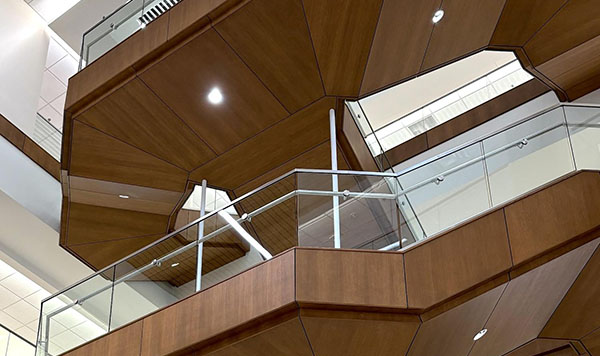
Innovation point for the Hearst Tower in New York: reduced steel in the structure.

In the first few years of LEED, you could count the Platinum-rated buildings on one hand. Now it's hard to keep up with the announcements. There are several reasons for this evolution — more experienced project teams making better buildings, and more buildings going through LEED in general, for example. At risk of exposing my cynical side, however, I have to admit that I suspect that much of the change has to do more with teams having figured out how to work LEED for the most points, as opposed to really making better buildings.

One way that teams are getting more sophisticated is in knowing which innovation points are the best bet. It's now well established, for example, that certain specific activities — like entering a case study in DOE's Database — earn you a relatively easy innovation point for "occupant education." To find that information, however, you had to talk to someone in the know, or dig through the online database of credit interpretation requests (CIRs). The scorecard that USGBC publishes listing the points each project has achieved identifies the innovation points by name, but it doesn't provide any details on what was done to achieve those points.

For years, designers have been pleading for a more accessible list of previously approved innovations. Why force everyone to reinvent the wheel? If the point of LEED is to help the industry as a whole innovate its way to greener buildings, shouldn't USGBC be doing all it can to share that information?

As far as I know, no one at USGBC disagreed with that argument, but the perpetually over-extended information technology (IT) staff there had more urgent fish to fry. Well, it seems that they've finally come up with a way to share this information. It's not pretty or slick, but it does serve the purpose of getting the information out there. This 28-page PDF file lists about 200 innovation points achieved (or approved as CIRs), with summaries of what was done to achieve them. Presumably it will be updated over time.

As a long-overdue first effort, this file is certainly welcome. It would be more useful if it identified which rating system each innovation credit was achieved in — some of them only make sense from the perspective of an existing facility, so there is not point in teams working on new projects wasting time on them. And others just list actual credits, such as the LEED for Commercial Interiors credit 4.5 on low-emitting furniture, presumably because this credit earned an innovation point in some other version of LEED, where it isn't listed as a credit. But USGBC is trying to de-emphasize the different flavors of LEED as it moves towards it's One LEED vision, so we may be stuck with those confusing listings for now.

The main point is that teams now have a handy new resource to mine for possible innovations in their projects. Let's hope that those translate into more real, beneficial innovations and environmental benefits, and not just into more points.

Comments

The pdf link points to the DOE site. Is there an actual .pdf or am I missing something?
Posted 1/15/08 12:48 PM by Andrew
Andrew, thanks for the heads-up. The mistake was in the post, and it's fixed.
Posted 1/15/08 1:05 PM by Mark Piepkorn
It's about time the USGBC did this. The companies doing project certification reviews have been keeping this information to themselves, and have used it to benefit their own clients for their LEED projects. This gave the certification review companies a marketing advantage no one else had. About 1/3rd of the LEED certification score sheets posted on the USGBC's website don't even provide a name for the ID credit earned, and several list incorrect names of ID points that were not earned by the project. I know this because some of the certified projects I have worked on have the wrong ID point names posted.

The reason LEED stopped being "innovative" long ago was that the certification reviewers were rejecting ID points, even some that the reviewers previously approved, because the reviewers felt the ID point was no longer innovative. So, that caused most projects to stick with what seemed the most likely to be approved by the certification reviewers. The reviewers turned the ID point approval/rejection into a major liability issue for LEED projects. Always go with what you know. Stay away from new ideas that might well be rejected.
Posted 1/18/08 4:16 PM by Hernando
(Comment Moderation is enabled. Your comment will not appear until approved.)
Get new posts via e-mail:


Recent Comments

Trucks Without Gas... Really

Michael Wentz says, “In Northampton, MA, we have Pedal People (http://www.pedalpeople.com/): "a human-powered delive...” More...


LEED AP Practice Exam

Tristan Korthals Altes says, “Evan, congrats! Now, without checking your study materials ... How many LEED AP test takers does it...” More...

Evan Joel Verduin says, “To al reading this post... I highly DO NOT recommend taking this practice test to prepare for the LE...” More...


Walking the Talk: A Realtor's LEED for Homes Platinum Gut Rehab in Washington, DC.

B Weekley says, “Thank you for sharing some details about the tankless hot water heaters, I've been looking for that.” More...


How the 2008 AIA/COTE Top Ten Green Projects were chosen

Melissa Matlins says, “Reading your commentary on the Jury process makes us appreciate our award (for the Queens Botanical ...” More...