What's Happening from Environmental Building News
September 1, 2008
The Challenge of Creating Living Buildings
Skip Backus, executive director of the Omega Institute for Holistic Studies, discovered something in the process of researching materials for the new building on campus. “We don’t make anything in this country anymore,” he said. Many building materials are still made in the U.S., but simple things like nails and screws are difficult to find. For an ordinary building, that wouldn’t be much of a problem. But Backus is pursuing certification of the building through the Living Building Challenge, which requires all materials to come from within a certain radius of the building site.
The Living Building Challenge was launched in 2006 by the Cascadia Region Green Building Council, a chapter of both the U.S. Green Building Council and the Canada Green Building Council (see
EBN
Vol. 15, No. 12). A stringent certification system, the Living Building Challenge consists of 16 prerequisites—there are no optional credits. No buildings have yet achieved certification, in part because the Challenge requires buildings to be operational for at least a year before being certified.
According to Eden Brukman, research director at Cascadia, at least 60 project teams are using the Challenge in some way in their design process. Cascadia is working with these teams to refine the rating system and expects to release a slightly revised version of the system, along with a users’ guide, by fall of 2008. A more substantial revision should be released by 2009.
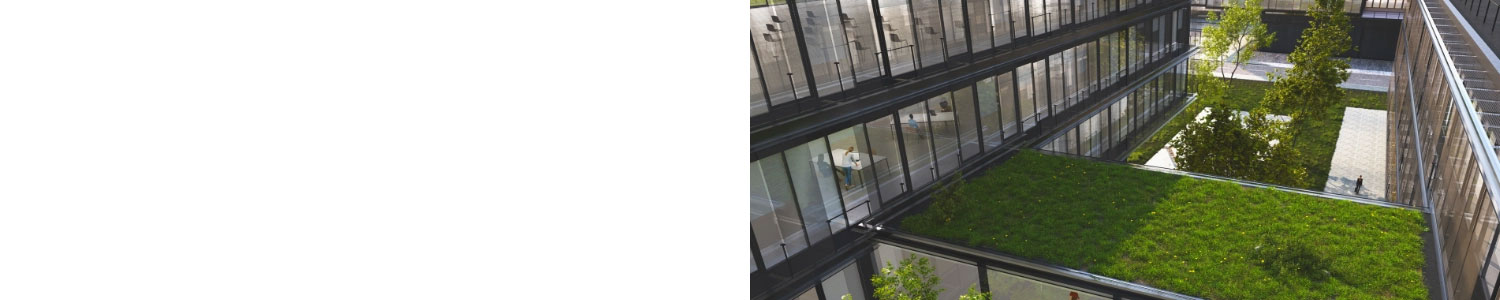
“We knew this was going to be much more frustrating and much more time consuming than any other options,” said Backus about pursuing Living Building certification for the new building at Omega. Designed by BNIM, the 6,200-ft
2 (600-m
2) building should be completed by October 2008. The mixed uses of the building present technical challenges, according to Laura Lesniewski, AIA, of BNIM. Balancing the light requirements of the plants in the biological wastewater treatment system with the need to minimize cooling loads and keep the classroom area comfortable was difficult.
The biggest difficulty, however, has been sourcing materials within the regional limits set by the Living Building Challenge. These limits vary: renewable energy technologies can come from 7,000 miles (11,000 km) away from the building site, lightweight materials from 1,000 miles (1,600 km) away, and heavy materials from only 250 miles (400 km) away. Backus has two staff members devoted to finding regionally available materials that meet all of the other requirements of the Challenge, which means that wood must be salvaged or responsibly harvested, and products must not appear on a “red list” of prohibited materials. Finding these materials within the project’s budget is even harder. Backus found locally manufactured wooden doors certified to Forest Stewardship Council standards, but they were expensive. He plans to visit a salvage yard in New Jersey to purchase old doors.
The Phipps Conservatory and Botanical Gardens in Pittsburgh is also planning a Living Building that should be completed by the end of 2009. The project team is working with Cascadia to clarify some of the energy requirements: the team hopes to use methane created from organic waste on site to run a fuel cell, but, according to Richard Piacentini, executive director of Phipps, this counts as combustion and is currently prohibited by the Living Building Challenge. Chris Minnerly, a principal at The Design Alliance Architects in Pittsburgh, said the firm is also finding it somewhat difficult to make decisions about the project since Cascadia is still defining the criteria of the Challenge and the synergies and tradeoffs among them.
Brukman acknowledges that meeting the requirements of the Living Building Challenge is not going to be easy—it’s not supposed to be. At the same time, Cascadia recognizes that market realities and building codes may make meeting some of the requirements impossible in some places. In those cases, project teams must document that they tried to change the market by asking local manufacturers to make what they need or appealed a code decision. “We see the Challenge as an advocacy tool,” Brukman said, noting that some projects have started larger conversations about building codes.
– Allyson Wendt
For more information:
Living Building Challenge
www.cascadiagbc.org/lbc/

DISCUSSIONS
Reader-contributed comments related to EBN: 17:9 - The Challenge of Creating Living Buildings. Comments are listed with newest at the top.

RELATED ARTICLES
|
EBN: What's Happening - December 2006
|

RELATED CATEGORIES
GREEN TOPICS
IMAGE CREDITS:
1.
Rendering: BNIM
First, this wonderful article is written by Allyson Wendt at BuildingGreen. Skip Bachus is quoted about trying to meet the Living Building Challenge with a new building for the Omega Institute.
But more importantly, Mark Piepkorn, also from BuildingGreen, posted a very nice discussion of recycled tires and where they come from. Take a look, pretty interesting:
http://www.buildinggreen.com/live/index.cfm/2008/2/26/Do-we-want-to-clean-up-another-countrys-scrap-tire-problem