
Blog Post
One-Stop Shopping for Critiques of LEED
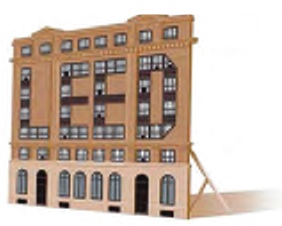
LEED ratings are not given by any popularly used metrics (such as BTUs of energy consumed per square foot per year) but by names of metals including silver, gold and platinum for the levels of certification.Just how "popularly used" are metrics like BTUs per square foot? How about some context for the limitations of those measures, such as their lack of accounting for building type, occupancy hours, etc.? In repeating certain arguments uncritically, Murphy seems to align himself with other critics of LEED who blame USGBC for creating a imperfect tool, not acknowledging that it did something:
Brook [Daniel Brook, of Fast Company] points out that the LEED certification process may seem woefully oversimplified, yet it doesn't even have the benefit of being cheap. Certification can cost more than $100,000 with all the paperwork and consultants, a lot of money for smaller firms and nonprofits. He asks if these dollars might be better spent on features that actually make a building green (meaning lower energy use) rather than simply winning certification. Brook thinks that just closing the loopholes in the checklist will only take the USGBC so far. In Europe, which has had baseline standards for energy efficiency since the mid-1990s, all new buildings are green buildings to some extent. [italics added]Note that in the italicized portion, Murphy does not make it clear if he is quoting Brooks, or, as it actually appears, marshalling his own arguments in support of Brooks. I have no problem with articles (like many written by myself for EBN), combining analysis with some opinionated conclusions. I simply wish, however, that report writers like Murphy would make it clear when they are quoting Joe Expert and when they are speaking for themselves in support of Joe Expert. Speaking myself to the argument made by Brooks/Murphy, I would note that USGBC does not have the option of imposing baseline standards for energy on the entire U.S., although that is a cause that it supports through efforts like Standard 189. Rather, USGBC has offered us a voluntary green building rating system. Wait let's also underline voluntary, because that's pretty key (although I need to acknowledge here that the voluntary-ness is being undermined by LEED legislation in many places). One could go around to any building and pick out things (granite lobbies, water fountains, public art) that could arguably be jettisoned in favor of better energy features. Why pick on the cost of LEED certification above all of these, if the owner decides that it adds value? Back to the title of the report, and the "Rise and Fall of Green Building" -- it would be more fairly written as the "Rise and the Failure of LEED," because clearly green building does not equal LEED, and neither has fallen as I write this. Okay, enough picking apart Murphy's paper, which overall performs a useful service in pulling together a lot of research into one place. I simply hope that Murphy will either do a better job of presenting criticisms in context, or acknowledge his biases in parts II and III of the report, which should be forthcoming from Community Solutions.
Published August 5, 2009 Permalink Citation
(2009, August 5). One-Stop Shopping for Critiques of LEED. Retrieved from https://www.buildinggreen.com/news-article/one-stop-shopping-critiques-leed



Add new comment
To post a comment, you need to register for a BuildingGreen Basic membership (free) or login to your existing profile.