How similar is LEED v5 to v4.1 and other past versions? The newest version seeks to transform the rating system to be more accessible and holistically impactful.
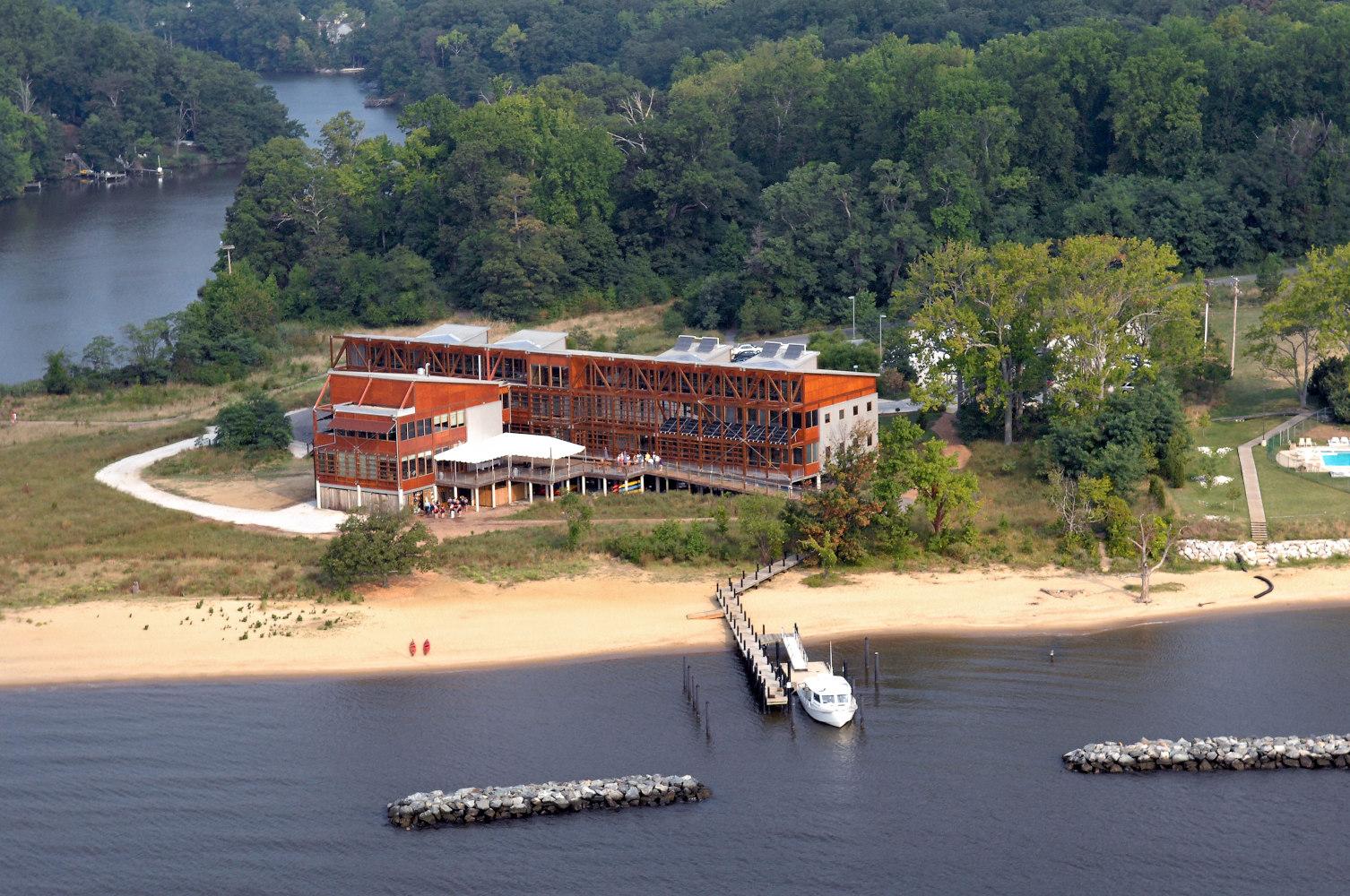
The CBF Philip Merrill Environmental Center, in Annapolis, Maryland, was the first building to be LEED certified in the United States in March 2000. The center was one of the first commercial projects to utilize rainwater harvesting, which has reduced water use by 90%.
Photo: Merrill Center, USGBC Version 5 of the Leadership in Energy and Environmental Design (LEED) green building certification program has been in the making for years. LEED v5 did not have a foreseeable public timeline a little more than five years ago (BuildingGreen, 2019). Now, to celebrate the 25th year anniversary of the first LEED for New Construction rating system, LEED v5 is finally here.
The U.S. Green Building Council released the fifth version of LEED on April 28, 2025. The latest version had been v4.1, which touched on many of the core principles that now dominate v5. Many aspects of the program will be consistent with v4.1, but v5 shifts focus to climate resiliency and actionable steps toward social equitability.
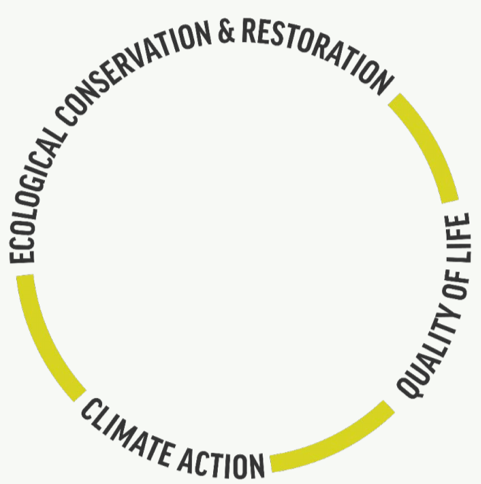
Projects began having to register under LEED v4 in 2016as registration for LEED v3 closed on Halloween of that year. LEED v3 for Building Design and Construction (BD+C), Interior Design and Construction (ID+C), Operations and Maintenance (O+M) and Neighborhood Development was closed for certification and registration on June 30, 2022. Not long after, in 2019, LEED v4.1 became available and soon became the informal official current standard. LEED will now be updating on a five-year life cycle, with the newest update scheduled for 2030. Ecological restoration and conservation, quality of life and decarbonization add to the basis of LEED v4.1.
LEED v5 focuses on these three pillars of sustainability in order to bring the rating system more into the future. Ecological restoration has been gaining more momentum in recent years and is getting much needed attention in the updated rating system with new prerequisites and a number of new credits. Similarly, quality of life is being examined and supported in the updated rating system with new prerequisites and credits to encourage human health within the built environment.
Although LEED v5 is aiming to add to LEED v4.1, it is shifting focus into more largely measurable impacts toward conservation and greater climate adaptation goals that foster the well-being of humans and the environment. The most radical change into a more accountable future from LEED v5 is its promotion of decarbonization and net-zero emissions.
Impact areas named as the focus of LEED v5 credits are as follows: ecological conservation and restoration, quality of life and decarbonization. Approximately 50% of credits will be centered around decarbonization, 25% awarded to quality of life and 25% awarded to ecological conservation and restoration.
Photo: USGBC
Decarbonization & Embodied Carbon
There will now be minimum requirements regarding embodied carbon and carbon reporting in buildings seeking certification. U.S. Green Building Council (USGBC) recently hosted and will host future webinars about carbon reduction requirements and more in LEED v5. There are newly included Platinum requirements to ensure low carbon emissions and a near zero carbon future that is equitable.
LEED v5’s shift from v4.1 is that 50% of credits now mandate decarbonization. Operational, embodied and transit carbon will encapsulate these newly available carbon reduction credits. Carbon assessments will allow LEED v5 to highlight feasible ways to reduce carbon emissions long-term, both directly and indirectly.
Operational carbon credits are meant to reduce carbon emissions through energy efficiency, renewable energy, reduced peak loads and selection management of refrigerants. New example credits toward reducing operational carbon are Minimum Energy Efficiency (BD+C), Electrification (BD+C), Reduce Peak Thermal Loads (BD+C), Peak Low Reduction Performance (O+M), Renewable Energy (BD+C) and Fundamental Refrigerant Management (BD+C).
Decarbonization related to embodied carbon refers to reducing carbon by material selection and strategies to reuse materials. Some examples of these new credits include Quantify and Assess Embodied Carbon (BD+C), Reduce Embodied Carbon (ID+C, BD+C) and Waste Reduction Performance (O+M).
Transit carbon credits reduce transportation emissions through connected, compact and transit-oriented development. Examples include Transportation Demand Management (BD+C), Compact and Connected Development and Electric Vehicles (BD+C).
Quality of Life
Human-centric designs are at the forefront of the LEED v5 updates for a greater quality of life for individuals and communities. A quarter of new LEED v5 credits center around quality of life to improve human well-being and health, equity and inclusion and resilience for occupants of buildings and the communities they reside in. Elements of the rating system that support equity and inclusivity are enhanced, and there is a greater focus on creating more resilient and adaptable plans. The addition of these credits will increase the chances of communities enjoying and caring about buildings and the spaces they occupy.
Resilient and adaptable projects will be created through additional credits introduced in LEED v5. Some examples of these credits are Climate Resilience Assessment (BD+C, ID+C, and O+M), Grid Interactive (BD+C) and Enhanced Resilient Site Design (BD+C). There will also be prerequisites for resilience as well as credits. The LEED v5 Integrative Process (IP) prerequisite is a Climate Resilience Assessment for many credits such as the Sustainable Sites (SS) Enhanced Resilient Site Design credit.
In a Climate Resilience Assessment, projects must address at least 2 out of 12 site-specific natural and climate events through design strategies. The hazards include: drought, extreme heat and cold, flooding, hurricane and high winds, hail, landslide, sea level rise and storm surge, tornado, tsunami, wildfire and smoke, winter storm, or a specified other hazard. There must be a detailed response to each hazard through the Intergovernmental Panel on Climate Change (IPCC) emissions scenario to specify Shared Socioeconomic Pathways (SSPs) involved with future modeling, hazard level and risk rating, projected service life of the project, and more.
Equity and inclusivity will be emphasized through LEED v5’s push for a greater quality of life. Elements of the system that support inclusivity and equity will be enhanced and emphasized through new credits. These credits include Human Impact Assessment (BD+C, ID+C, and O+M), Accessibility and Inclusion (BD+C) and Equitable Development (BD+C).
Occupant and direct community well-being as well as health will also be addressed through new credits in LEED v5. These new credits aimed at increasing overall human health and well-being through fostering inclusive spaces will strengthen the connection between people and their built as well as natural environments. Some examples of these new credits include Indoor Air Quality Performance (O+M), Accessible Outdoor Space (BD+C) and Low Emitting Materials (BD+C, ID+C).
Ecological Conservation and Restoration
A quarter of new credits in LEED v5 are dedicated to promoting native restoration and biodiversity conservation. The goal of these credits are to also minimize ecological harm by emphasizing actions and strategies that consider the interconnectedness of built structures and their environments. There will be a focus on conserving and restoring natural ecosystems as well as using resources efficiently when they impact the environment.
To focus on restoring and reducing impact on ecosystems, there will be many recommended strategies. These strategies include: Reducing and optimizing water use, protecting sensitive land for best use, minimizing site impact while increasing connectivity, using land for mixed-use and compact developments, considering bird-friendly design and avian patterns, creating pollinator pathways and reducing impact on wildlife.
New credits to reward and promote environmental stewardship and conservation include Biodiverse Habitat (BD+C), Sensitive Land Protection (BD+C) and Light Pollution Reduction (BD+C). These credits come from years of research on workshopping and implementing pilot credits. One such example is the pilot credit made for biophilic design, which largely relied on Terrapin Bright Green’s framework.
To aid in using resources efficiently that impact natural habitats, there will also be many recommendations in LEED v5. Examples of strategies include whole building lifecycle assessment for building materials as well as reducing waste and planning for zero waste operations.
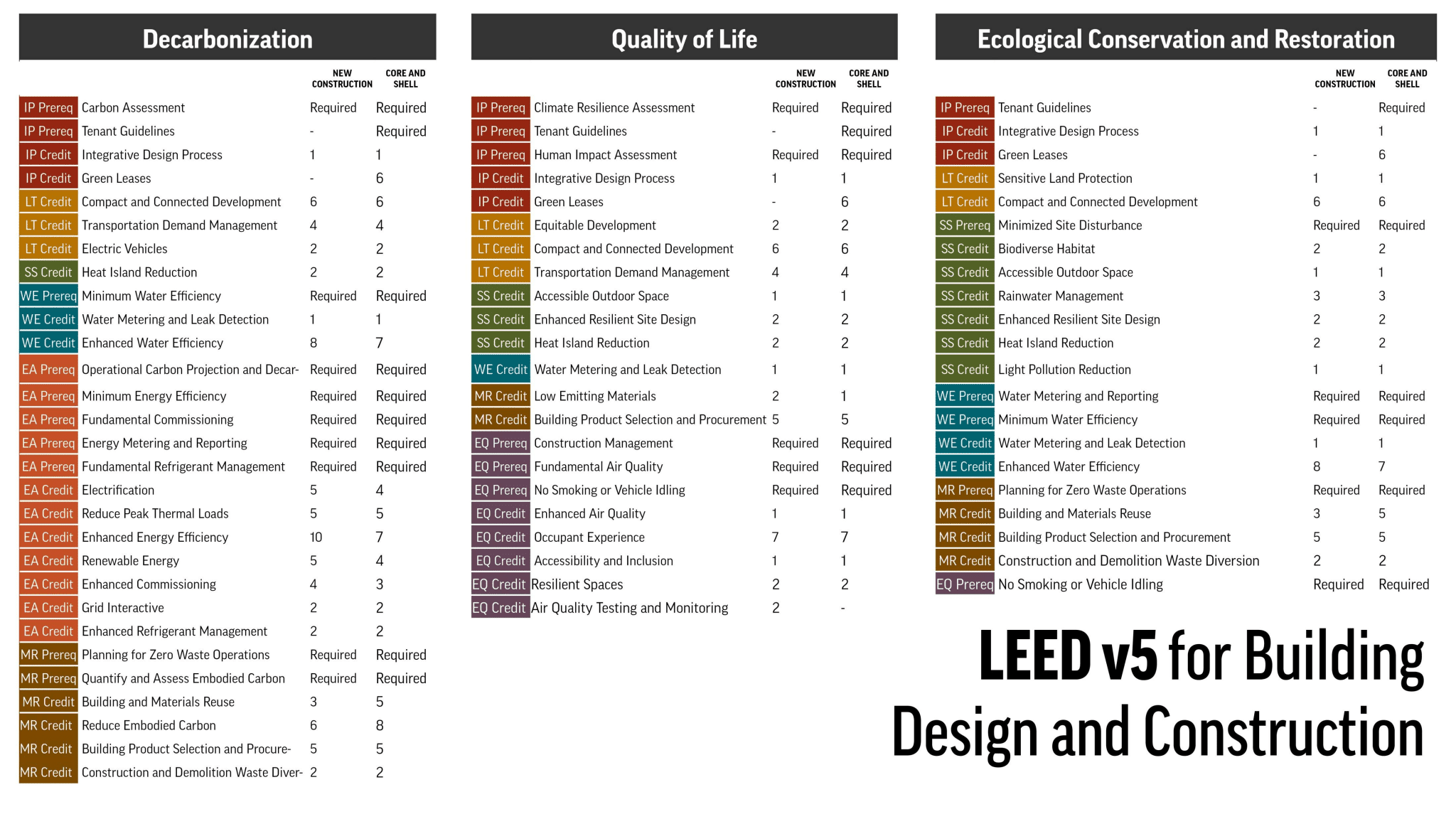
The project scorecard for BD+C is broken down into three sectors: Decarbonization, Quality of Life and Ecological Conservation and Restoration. There are a number of prerequisites now required for qualification for certain credits.