
Blog Post
Q&A: AIA National President Evelyn Lee

“Thrive” is more than just a theme; it is a call to action, a mindset shift and a reminder that growth does not happen by accident. It happens when we choose to embody what it means to be Transparent, Human, Resilient, Intrepid, Visionary and Empowering. These are not just aspirational words; they are the foundation for how we can lead with intention and build a stronger, more impactful profession together.”
—Evelyn Lee
To set the stage for Thriving, we begin with Transparent. Transparency builds trust, and trust drives collaboration. To thrive, we must commit to a culture of openness—within our firms, within this organization and with the public we serve. Clear communication and shared accountability are the foundations of everything we hope to achieve together. By being transparent, we not only earn trust but also empower others to share their voices, fostering an environment where ideas flow freely, and solutions emerge organically. There’s a commitment to greater transparency going forward about what AIA National is up to, and to better communicate with all AIA members.
SUPPORT INDEPENDENT SUSTAINABILITY REPORTING
BuildingGreen relies on our premium members, not on advertisers. Help make our work possible.
See membership options »Next is Human. At its core, architecture is about people. It is about empathy—designing for human experiences and improving lives. It is about engagement—making sure every member of this organization feels seen, valued and heard. And it is about connection—because, as I have said before, we are truly better together. Let’s celebrate our humanity by embracing our creativity, curiosity and shared drive to make the world a better place for all. Human is also the commitment to humanity of us as architects, as well as a commitment to science.
Resilience is critical as we face increasingly frequent natural disasters and a rapidly changing world. The statistics are clear: From fewer than eight major disasters per year in the 1980s to a staggering 28 last year, the risks are only growing. Our built environment must not only withstand these threats but also address rising energy costs, material shortages, neighborhood disinvestment, and affordability challenges. But resilience also applies to our own well-being. We cannot pour from an empty cup. Taking care of ourselves—mentally, physically and emotionally—is essential if we are to lead with strength and intention. As architects, our responsibility to protect the health, safety and welfare of the public is our greatest duty. This year, as federal proposals emerge that could reshape our profession, we must speak with one voice, advocating for the policies that empower us to meet this responsibility head-on.
Being Intrepid means being bold, courageous and fearless in our pursuit of ingenuity. Whether adopting new technologies, pushing the limits of design, reimagining our work models, or exploring new business models, we must lead by example. Nowhere is this more critical than with artificial intelligence. AI is reshaping not only our design processes, but also the very infrastructure that supports modern society. As architects, we must ensure that the growth of AI is balanced with equity, access and sustainability, designing projects that serve all communities. The same forward-thinking approach applies to housing. Like AI, housing intersects with nearly every system—transportation, healthcare, education and economic opportunity. The equity and access issues we navigate in AI infrastructure development are mirrored, and often amplified, within the housing crisis.
This brings us to Visionary. To thrive, we must not only envision a better future but also have a greater voice in tackling some of our most complex challenges—like housing. It’s about amplifying diverse voices, strengthening partnerships and ensuring that our impact is lasting and meaningful. We have the opportunity—and the obligation—to position architects at the forefront of conversations that balance technological advancement with equity, sustainability and opportunity for all. I have seen caring and capable people among our members create dignified designs. But design alone will not be enough. Architects can be the catalysts between the voices of the inadequately housed and the resources of policy makers, developers and community leaders. Like every solution, we must go from impossible to inevitable.
Finally, we must be Empowering. Empowering gives life to association. The AIA exists to empower our members, but empowerment is more than tools and resources—it is about building practices that thrive. Architecture firms are businesses, and to succeed, they must think strategically, manage effectively and communicate their value clearly, to provide meaningful, rewarding work. By elevating design alongside operational excellence, we will create more resilient practices and open new opportunities for growth and impact within our communities.

Practice of Architecture started during my time in business school as a way to curate and share articles I believed architects should be reading. Over time, it has gone through several pivots, evolving into a platform that helps architects expand their roles, innovate their practices and embrace entrepreneurship. Now it’s on its way to becoming an accelerator for new services and products emerging out of architectural practices.
“Practice Disrupted,” the podcast extension of this initiative, brings conversations from the field directly to listeners—offering perspectives from architects and professionals who are challenging traditional norms. I want listeners to walk away with new ways to think about practice—embracing innovation, navigating business operations and reimagining career paths in architecture.
What advice do you give your students and emerging architects on how to establish their own voices in architecture?
Finding your voice in architecture is a journey. The profession thrives on diversity of thought, so I encourage emerging architects to embrace their unique perspectives and experiences. Here are a few things I always tell students and emerging architects:
Stay true to your values. Authenticity builds credibility.
Chart your own path. Seek inspiration but define your own trajectory.
Collaborate to expand your worldview. Architecture benefits from interdisciplinary input.
Lean into discomfort. Growth happens when you take risks.
Reflect on your identity and experiences. These shape how you approach design.
Build for impact, not just aesthetics. Design should serve communities, the environment and future generations.
Listen and you will be heard. Thoughtful engagement fosters leadership.
Stay humble but persistent. Never stop learning. Remain curious.
Architecture is richer and more impactful when it encompasses a diversity of perspectives. Be bold. Be reflective. And most important, be yourself.
Do you feel that there’s a distinction between proactive architecture (buildings that lead in such areas as sustainability and art) and reactive architecture (buildings that respond to a crisis or social need)? If so, why?
Yes, though the two can overlap at times.
Proactive architecture is forward-thinking and anticipatory. It focuses on innovation, sustainability and artistic expression to lead societal or environmental advancements. For example, buildings designed with net-zero energy consumption or those pushing boundaries in aesthetic and cultural design fall under this category. Proactive architecture sets the standard for future projects and often drives changes in policies or industry practices.
Reactive architecture, on the other hand, addresses immediate needs or crises. It emerges as a solution to social, environmental or economic challenges. Examples include temporary housing for displaced communities, emergency relief shelters or retrofitting older buildings for energy efficiency in response to climate change legislation. The emphasis here is on problem-solving and functionality.
While proactive architecture is often seen as more visionary and establishes trends, reactive architecture is grounded in necessity, aiming to mitigate existing issues. However, the two are not mutually exclusive. For example, a building initially designed as a reaction to a social need, like affordable housing, can integrate proactive elements by utilizing sustainable materials or innovative designs that provide long-term benefits. This blending creates structures that respond to both present challenges and future aspirations.
How can architects focus on taking initiatives as well as taking action, from a local to a global scale?
Architects can focus on taking initiatives and driving action across scales—from local to global—by integrating proactive strategies that emphasize impact, collaboration and scalability.
-Address community needs locally. Architects can engage with communities to identify and resolve local challenges like accessibility, affordable housing and sustainability. They can host workshops, collaborate with local governments and create small-scale solutions, such as pop-up parks or housing prototypes.
Commit to sustainability. Architects can use renewable materials and energy-efficient designs, and advocate for sustainable policies and adopt practices like circular design and regenerative architecture to inspire large-scale change.
Leverage technology. We can employ tools like BIM, parametric design and AI to reduce costs and improve efficiency. And share ideas globally on virtual platforms and design for climate impact and resilience beyond local geographies.
Collaborate across disciplines. Architects should work with professionals from urban planning, sustainability and engineering to create holistic solutions. And participate in global initiatives like the UN SDGs and use platforms to collaborate on international projects.
Advocate and educate. We can publish impactful articles, host events and create resources to inspire policy changes and raise awareness. We can take it a step further by providing frameworks for replicating successful efforts globally.
Start small, dream big. I urge designers to treat small projects as prototypes for scalable solutions. Then document successes, build momentum and leverage case studies for larger-scale, regional or global changes.
How can architects better address the needs of humanity in the coming decade?
Architects must go beyond designing structures; they must become catalysts for meaningful and lasting change. Architecture isn’t just about buildings; it’s about shaping environments that foster connection, resilience and opportunity for all. Architects will need to stay focused on the following areas in the next decade:
The future of architecture is rooted in sustainable, inclusive and innovative design. Architects can lead environmental solutions by creating net-zero buildings, using renewable materials and designing urban spaces that align with nature. Community engagement is essential to ensure designs reflect culture and local needs. Equity must guide every project, advocating for accessible, inclusive spaces that empower all individuals.
Technology, from 3D printing to AI, offers new opportunities, but requires thoughtful application to prioritize human needs. Architects are key in addressing global challenges like urbanization, housing shortages and disaster preparedness through resilient and adaptable designs. Architecture is more than creating spaces; it’s a discipline of purpose and morality. Inspired by leaders like Pascale Sablan, FAIA, architects can amplify voices and drive impactful change, reshaping the world with intentional, meaningful design.
To truly address the needs of humanity, architects must approach the next decade with optimism, humility and a fierce dedication to advocacy. When we design with humanity at the center, we design a future worth building.
You had touched on the fact that part of helping other people understand what architects do is helping people understand that their vision goes beyond buildings. Please elaborate on this.
Architects are not just designers; they are systems thinkers, problem solvers and advocates. However, much of what we do—navigating zoning, policy, sustainability and urban planning—happens behind the scenes and often goes unrecognized. This lack of visibility can lead to underappreciation of the profound impact architecture has on daily life, the economy and the environment. The challenge is communicating our role in shaping the built environment so that people understand its value and necessity.
Storytelling is crucial. When architects share the “why” behind their work, whether it’s a sustainable project or a community-driven initiative, it fosters deeper understanding and appreciation for the profession.
Public engagement drives advocacy. Well-informed communities are more likely to push for policies that promote better schools, affordable housing and sustainable infrastructure.
Demystifying architecture makes it more accessible. The profession thrives when people see it as a service and a tool for societal progress, not just an aesthetic exercise.
Architecture shapes lives. Whether through the design of public spaces, workplaces or housing, architecture has the power to influence well-being, mental health and social interactions.
We must do more to engage, educate and advocate—so architecture is recognized as a fundamental driver of a better, more sustainable and more equitable world.
What is your definition of a disruptor in architecture?
It’s someone who dares to ask, “What if?” and transforms that curiosity into action. These individuals and firms challenge the way we’ve always done things, reimagining design norms, construction methods and even the role of architecture itself.
I think of disruptors as architects of possibility. They harness innovative technologies to push boundaries, adopt sustainable materials to care for our planet and design spaces that are as unconventional as they are impactful. Their work asks us to rethink our relationship with space, functionality and beauty—not as separate entities, but as a seamless dialogue.
Disruptors don’t just design for today; they anticipate the needs of tomorrow. They question the status quo to lay the foundation for solutions that are agile, inclusive and deeply responsive to the challenges our modern world faces, including societal shifts, environmental demands and technological progress.
When disruptors rise to the occasion, they do so on the shoulders of a profession’s collective aspirations. Every boundary they push, every mold they break, they remind us all that redefining architecture isn’t about ego or individual success. It’s about creating a field that is more thoughtful, more adaptive and ultimately more human.
What does activism in architecture look like right now?
All architects engaged with addressing pressing societal, environmental and cultural challenges through thoughtful and impactful design are at the forefront of architecture activism. The work of Liz Ogbu and Douglas Ito, FAIA, come to mind as great examples.
What do you see as the most exciting buildings now and why?
Powerhouse Brattørkaia in Trondheim, Norway, The Forge in London and Ascent Tower in Milwaukee, Wisconsin. Each of these projects blends sustainability, resilience and human-centered design—pointing toward architecture’s future as a leader in environmental and social transformation.

Trondheim, Norway
Snøhetta
Located in Norway, Powerhouse Brattørkaia is the world’s northernmost energy-positive building, producing more renewable energy than it consumes. Designed with a massive solar panel–covered roof, highly efficient insulation and innovative daylight utilization, this project sets a new benchmark for self-sustaining commercial buildings and proves that even in colder climates, energy-positive design is achievable.
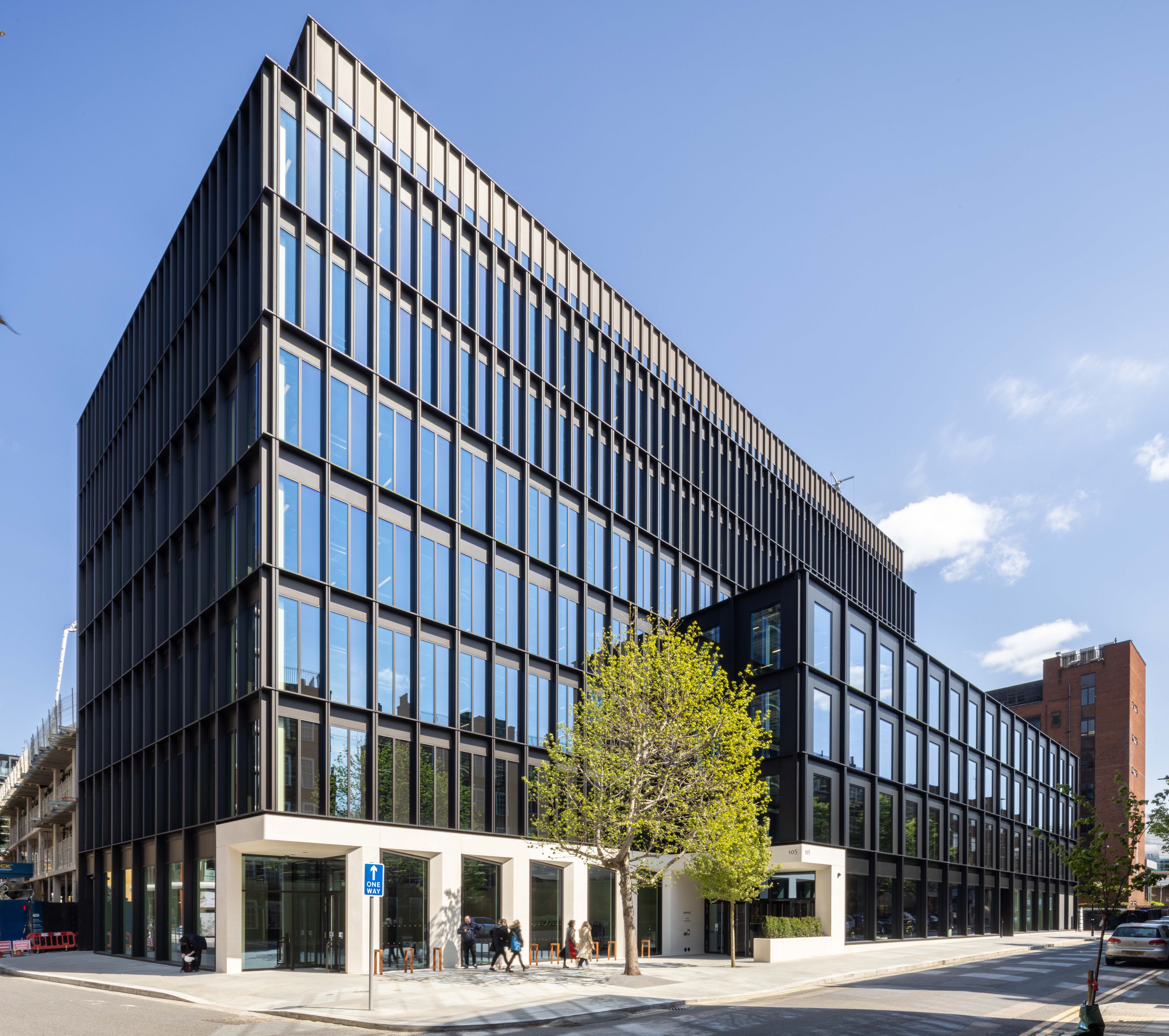
London
Bryden Wood For Landsec
A pioneering project in the shift toward zero-carbon commercial buildings, The Forge is the first in the world to be built using platform-based design and digital fabrication. This approach allows for modular, highly efficient construction, reducing waste and environmental impact. It demonstrates how industrialized construction methods can revolutionize sustainability in urban
development.
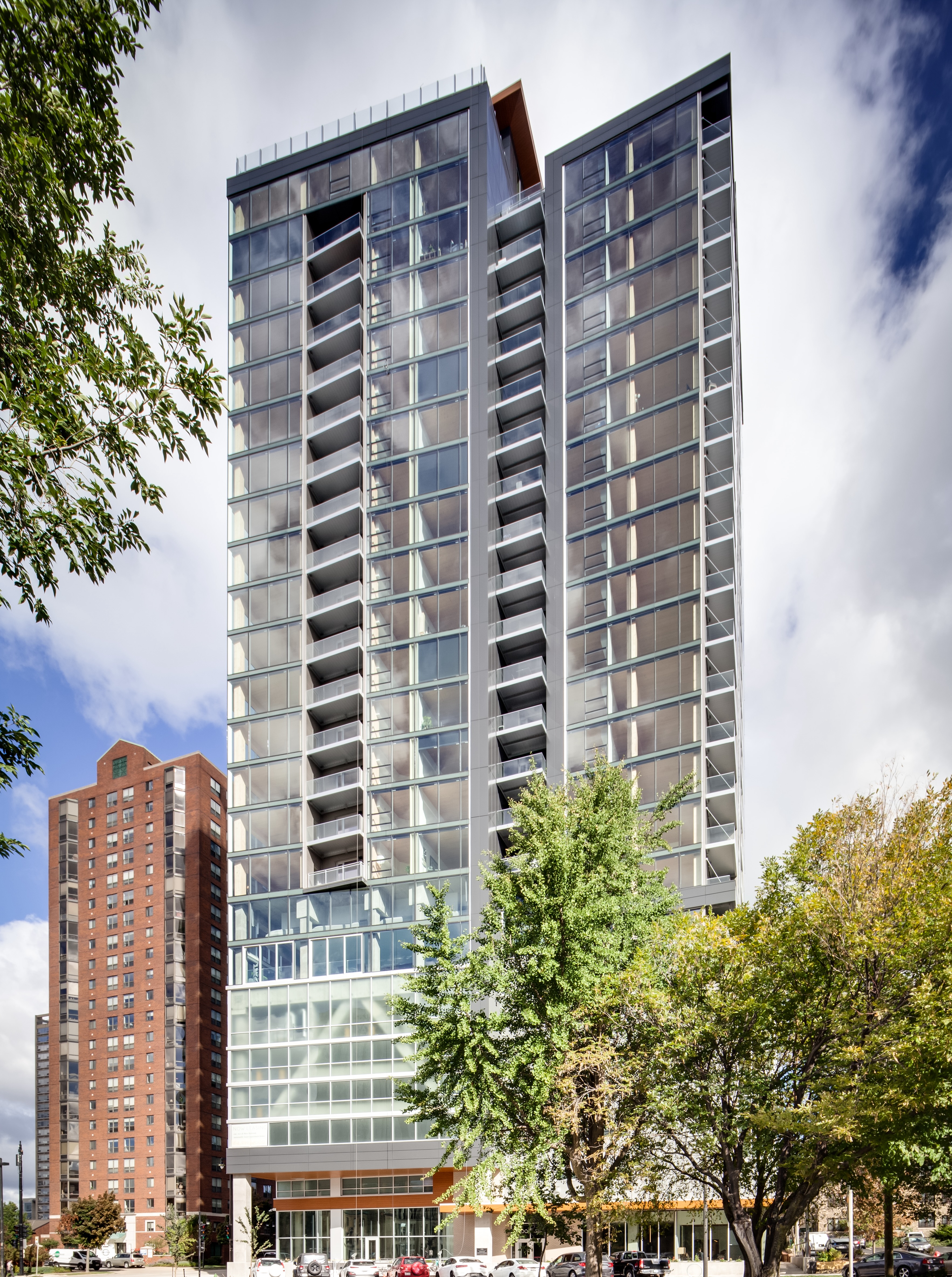
Milwaukee, Wisconsin
Korb
Ascent Tower is currently the world’s tallest mass timber building, pushing the boundaries of sustainable high rise construction. Utilizing locally sourced timber, advanced prefabrication techniques and a reduced-carbon construction approach, the project demonstrates the viability of timber as a replacement for carbon-intensive materials like steel and concrete. Ascent serves as a precedent for future sustainable skyscrapers, proving that natural materials can be both structurally sound and environmentally responsible.
Published December 10, 2025 Permalink Citation
editors, t. (2025, December 10). Q&A: AIA National President Evelyn Lee. Retrieved from https://www.buildinggreen.com/blog/qa-aia-national-president-evelyn-lee



Add new comment
To post a comment, you need to register for a BuildingGreen Basic membership (free) or login to your existing profile.