
Blog Post
Fractured
“The real effort for our movement—to relinquish competition for cooperation and renounce corporate sycophancy—is not a performance. It’s a commitment: It does not change anything but has the potential to transform everything.” Photo by Jack Sooksan
The green building movement desperately needs a unified front. Where is that overarching cooperative program that harmonizes the otherwise disparate interests of environmental professionals, activists, advocates, academics, students, individuals, non-profits and mission-driven organizations?
There is a huge gap to fill between where we are today and the aspiration for such unification. If we do not heal that gap, the danger is that we will never be able to recover from the attacks that petrochemical-backed administrations have launched against our ecological intentions.
As a movement, we have been so busy asking “What’s next?”—moving from one event to the next, one standard to the next, one project to the next, always moving toward the next big thing in sustainability that we have forgotten how to stand still and take stock of what we have today. We have forgotten how to appreciate the whole meaning behind our efforts. In effect, we have not been effective communicators, and in the process we have lost control of the narrative.
The green building movement has gotten caught up in the cycle of fear, anxiety, anger, hate, greed, instability and jealousy. Many of the nonprofit organizations that were supposed to lead us away from environmental disaster have gotten caught up in self-interested corporate expansion.
SUPPORT INDEPENDENT SUSTAINABILITY REPORTING
BuildingGreen relies on our premium members, not on advertisers. Help make our work possible.
See membership options »It is easy to blame our situation on the boogeyman du jour, and use that scapegoating process to push the liability down the line. There is an urge to hang the scales of justice on a single person, or group of troublemakers. That takes the responsibility off of our shrugging shoulders.
However, this is not a new phenomenon. The internal fractures in the green building movement have been there from the beginning of the first nonprofit advocating for its interests, its products and its standards; the splintered interests and favorite standards of its corporate donors. The fracture was there, in situ, from the moment that the controlling interests of the donor class entered the environmental conversation, only we—in our infinite naïveté—have ignored it.
Now try not to rush to the rescue of your preferred nonprofit. BuildingGreen historically has also been guilty of the same offense. This publication has served as a mouthpiece, many times, for the perpetuation of certain industry biases justified under the auspices of false equivalencies, presumptuous superiority complexes and misplaced loyalty in organization instead of cause.
This is a call to choose collaboration instead of competition. It is a call for restoration of trust in the green building movement. It is a call to heal the fractures.
Of course, we are all proud of our respective accumulations; degrees, credentials, consulting contracts and certifications. As entrenched professionals, it is dangerous to reprove the factions that we depend upon. Yet in order to say something true, we often have to swallow our pride.
The truth is we let industry interests lead our standard development processes and center our programs around ROI. We let them infiltrate our conversations and conferences, because sponsorship dollars are hard to come by. We let them onto governance boards, where they set incremental goals to mitigate risk and drive shareholder value. For too long, practitioners and advocates have let factional interests dominate the ecological conversation, and it’s killing us.
There can be no justice in a movement that elevates, or even equivocates, business interests over natural human values. The corporate-led factions are our ruin and must come to an end.
The green building movement—and more broadly speaking, the environmental movement—is at an exact inflection point where the choice has to be made: Either band together on the basis of an uncompromising commitment to natural values or suffer the consequences of fragmentation.
It may be too soon for all to see, but a new guard is rising within our environmental nonprofit organizations. This new guard is unmoved by the “triple bottom line” and other such convenient corporate fabrications. This new guard is on task to protect the conversation from our previous power addictions, special interest–sponsored talking points and childish material infatuations.
Why are we still admitting major petrochemicals, polluters and other various mercenary profiteers to our boards of directors? If there could be an open, healthy and sincere reflection on the direction and motivations of the movement among the leadership of our representative organizations, that openness itself would be an invitation to explore institutional transformation.
This is a call to choose collaboration instead of competition. It is a call for restoration of trust in the green building movement. It is a call to heal the fractures. After all, this trust is the thing that has been sabotaged and broken by finance capital. Low trust is the reason why the old guard has lost its progressive momentum: It’s not the economy, or the business model—it’s fundamentally the trust within and between people, communities and organizations.
In this process we have to be careful not to confuse transformational trust with superficial change. There are plenty of self-interested organizations that will simply reduce this moment to search for better product-market fit. Tomorrow there will be a new certification gig, another green sales campaign or some other profit-motive that promises to revolutionize the way things are done, and none of it is from or for the environment. So long as it’s a product with a price point, it’s the same bob and weave. The real effort for our movement—to relinquish competition for cooperation and renounce corporate sycophancy—is not a performance. It’s a commitment: It does not change anything but has the potential to transform everything.
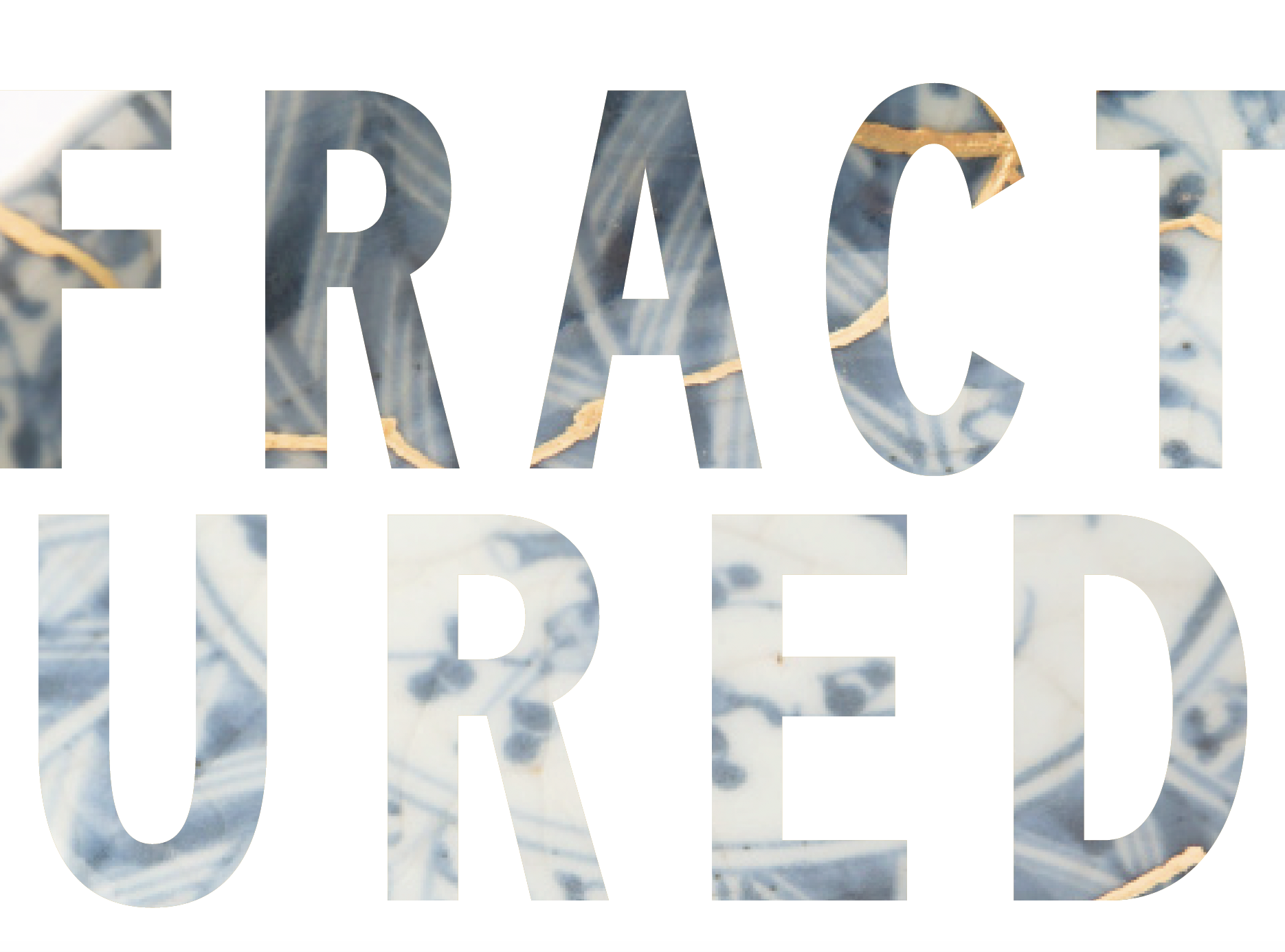
Let’s have a hard reset. Bring everybody to the table, have the talk, move past the hard feelings and commit to working together. After all, we’ve got to make that space for broadly organized mutual cooperation. That cooperative, harmonizing energy is the golden mortar that has been missing from our project. In that mortar, we can find the promise of future success that comes from healing the past, and appreciate the beauty of reconnecting, despite our past fractures.
Published September 9, 2026 Permalink Citation
Bataoel, V. (2026, September 9). Fractured. Retrieved from https://www.buildinggreen.com/blog/fractured



Add new comment
To post a comment, you need to register for a BuildingGreen Basic membership (free) or login to your existing profile.