Massive Rooftop PV Installations Will Produce Clean Power, Green Jobs

News Brief

Massive Rooftop PV Installations Will Produce Clean Power, Green Jobs

By Evan Dick

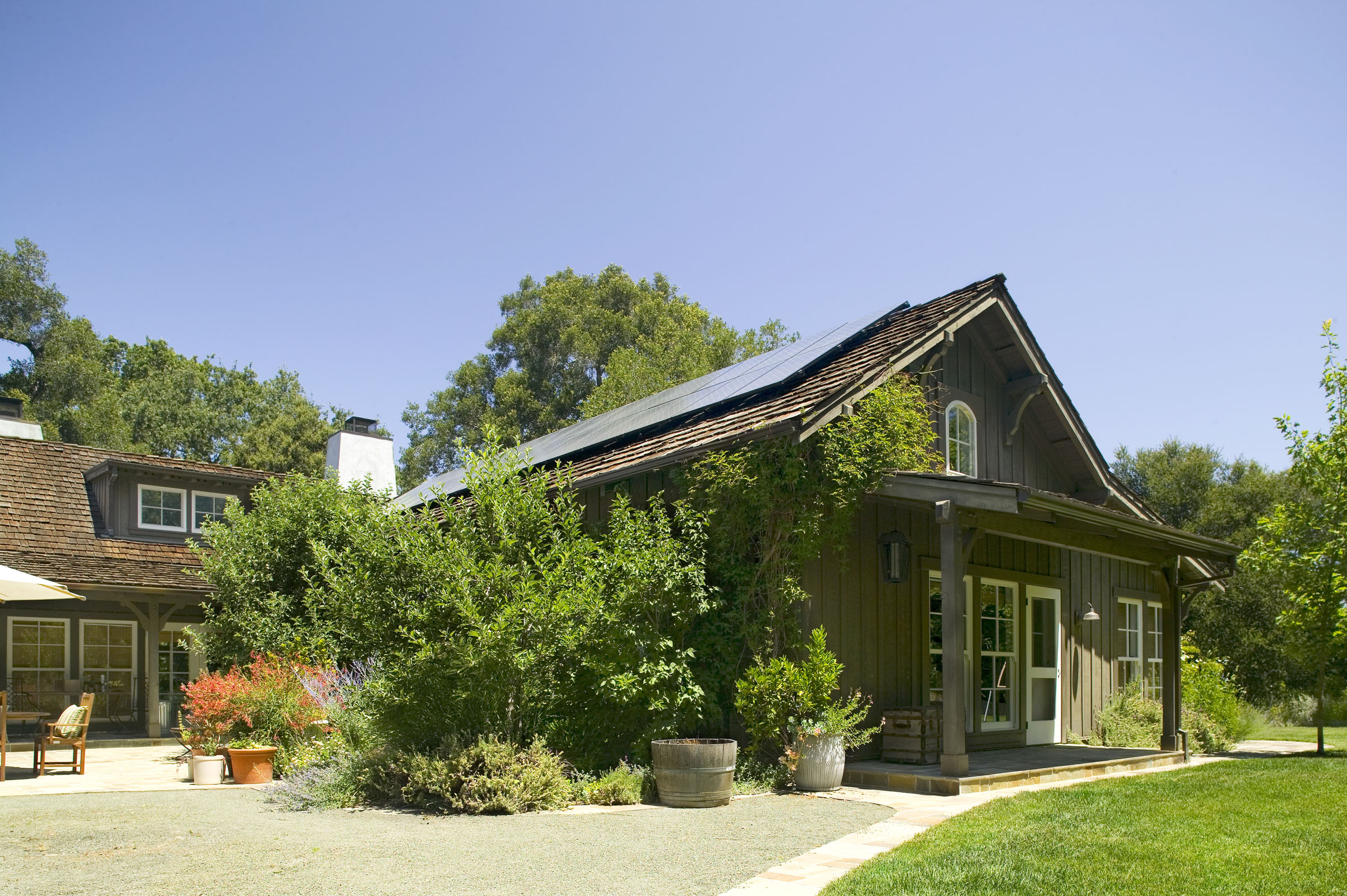
The U.S. Department of Energy (DOE) has announced a $1.4 billion federal loan guarantee for Project Amp, an ambitious undertaking to install 733 MW worth of photovoltaic panels on commercial buildings across 28 states and the District of Columbia. (For comparison, the U.S. installed 878 MW of PV in 2010, according to the Solar Energy Industries Association.)

The four-year installation phase will create an estimated 1,000 jobs. The commercial real estate company Prologis owns the facilities where the installations will occur and will own the solar installations and the electricity they produce. The electricity— enough to power 100,000 homes while avoiding 580,000 tons of carbon emissions annually, according to DOE—will be sold to utilities.

“This unprecedented solar project will not only produce clean, renewable energy to power the grid in states across the country, but it will help us meet the SunShot goal of achieving cost-competitive solar power with other forms of energy by the end of the decade,” said Energy Secretary Steven Chu in a press release. For more information, visit www.energy.gov.

Published December 31, 1969

(2011, July 1). Massive Rooftop PV Installations Will Produce Clean Power, Green Jobs. Retrieved from https://www.buildinggreen.com/departments/newsbrief

Add new comment

To post a comment, you need to register for a BuildingGreen Basic membership (free) or login to your existing profile.

Dampness Causes Health Problems, But Mold Pathways Remain Unknown

News Brief

Dampness Causes Health Problems, But Mold Pathways Remain Unknown

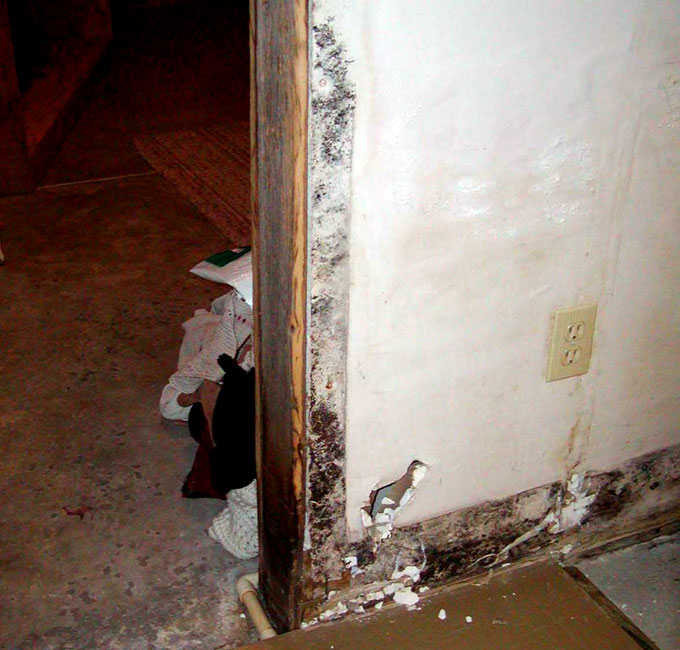
By Evan DickMoisture and mold in buildings are often implicated in health problems, but scientists do not yet understand which microbes affect us, and in what quantities (see “Mold in Buildings: What It Is and How to Keep It Out,” EBN June 2001). A comprehensive review of epidemiologic evidence recently published in

Environmental Health Perspectives looks at associations and causal links between measured conditions of indoor dampness, mold, and microbiological factors and respiratory and allergic health problems.

The review found strong evidence of an association between indoor dampness and 12 respiratory ailments, but the authors were unable to find any specific causal links. Further, they report that the presence or history of moisture, historic water damage, and related mold are better indicators of mold-related health risks than any microbiological agents that are currently quantifiable.

The authors suggest that practical prevention and remediation of indoor moisture and mold will have a benefit for respiratory and allergic health of occupants. They go on to write that these efforts should be undertaken immediately, without waiting for conclusive causal links.

Published December 31, 1969

(2011, July 1). Dampness Causes Health Problems, But Mold Pathways Remain Unknown. Retrieved from https://www.buildinggreen.com/departments/newsbrief

Add new comment

To post a comment, you need to register for a BuildingGreen Basic membership (free) or login to your existing profile.

EPA Proposes New Rule on Glymes over Toxicity Concerns

News Brief

EPA Proposes New Rule on Glymes over Toxicity Concerns

By Evan DickThe U.S. Environmental Protection Agency (EPA) has proposed a significant new use rule regulating a class of chemicals known as

glymes. Glymes have many commercial uses, including applications in building products such as adhesives, industrial paints and coatings, paint strippers, refrigerant lubricants, and lithium-ion batteries. They are also used in some cotton dyes and as a solubilizing agent for plastics and textiles in manufacturing processes.

The proposed rule would focus on new uses of glymes, requiring 90 days’ notice before they are manufactured, imported, or processed for a new use. The delay gives EPA time to evaluate the proposed use for potential harm to humans or the environment. Of the 14 glymes, monoglyme, diglyme, and ethylglyme are of particular concern because of their adverse effects on reproductive and developmental health. However, EPA is also concerned by exposure and toxicity information pertaining to the other 11 glymes.

For more information, visit www.epa.gov.

Published December 31, 1969

(2011, July 1). EPA Proposes New Rule on Glymes over Toxicity Concerns. Retrieved from https://www.buildinggreen.com/departments/newsbrief

Add new comment

To post a comment, you need to register for a BuildingGreen Basic membership (free) or login to your existing profile.

Energy Storage in Buildings Due to Increase

News Brief

Energy Storage in Buildings Due to Increase

By Evan DickEnergy storage in commercial buildings promises to play a critical role in the changing power grid that utilities are increasingly relying on to increase efficiencies.

A new report released by Pike Research covers the current state of energy storage in commercial buildings and predicts major growth for this technology. The report focuses on the two most common ways of storing energy in buildings today: uninterrupted power supplies (UPS), and thermal energy storage (TES—see “Buildings on Ice: Making the Case for Thermal Energy Storage,”

EBN July 2009). The authors differentiate between the time-shifting function of TES—using off-peak power to store thermal energy for use during peak hours—and the backup power function of UPS.

They predict that improvements and cost reductions in batteries will lead to increased use of time-shifting to charge UPS systems. Utilities will be driving demand for this type of storage technology, but utility customers would also have more incentive to drive change if they were charged real-time prices.

Published December 31, 1969

(2011, July 1). Energy Storage in Buildings Due to Increase. Retrieved from https://www.buildinggreen.com/departments/newsbrief

Add new comment

To post a comment, you need to register for a BuildingGreen Basic membership (free) or login to your existing profile.

Cycling in Heavy Traffic May Be Bad for Your Heart

News Brief

Cycling in Heavy Traffic May Be Bad for Your Heart

By Evan DickCycling is seen as a healthy way to exercise, relieve stress, enjoy the outdoors, and reduce the environmental impacts of commuting. However, recent research published in

Environmental Health Perspectives suggests that the health benefits of cycling may be compromised in high-pollution areas.

The study reports that short-term exposure to heavy vehicle traffic and related pollutants may have a significant impact on cardiac function in healthy adults. The researchers found cyclists exposed to air pollution while cycling showed decreased heart-rate variability for up to three hours after their ride. Heart rates in healthy people should change rapidly in accordance with levels of physical activity. Low heart-rate variability is associated with a higher risk of heart attacks.

The researchers didn’t argue that cyclists would be better off driving, but did recommend avoiding heavy traffic situations whenever possible. The new findings support efforts under way in many cities to create separation between cyclists and vehicles through dedicated bikeways and physical barriers between bicycle and vehicle lanes. According to the report, even a few feet of separation can reduce the impact of vehicle emissions.

Published December 31, 1969

(2011, July 1). Cycling in Heavy Traffic May Be Bad for Your Heart. Retrieved from https://www.buildinggreen.com/departments/newsbrief

Add new comment

To post a comment, you need to register for a BuildingGreen Basic membership (free) or login to your existing profile.

Solar Farms Abandoning Concentrating Solar for PV

News Brief

Solar Farms Abandoning Concentrating Solar for PV

By Evan DickConcentrating solar power (CSP), the process of using the sun’s thermal energy to create steam to spin turbines for electricity generation, has usually been considered the most cost-effective option for solar farms. However, falling prices for photovoltaic (PV) solar panels coupled with environmental concerns over the impact of CSP plants are leading some developers to abandon CSP in favor of PV.

A spike in production of PV due to a mandate for California’s utilities to source 20% of their energy from renewable sources by 2010 has made PV 3–4 cents cheaper per kilowatt-hour than CSP. Further, CSP plants require large, continuous tracts of land and heavy machinery, which disturbs fragile habitat in the deserts where these plants are built. While still damaging to desert landscapes, PV allows greater flexibility in terms of land use and requires less heavy machinery.

Published December 31, 1969

(2011, July 1). Solar Farms Abandoning Concentrating Solar for PV. Retrieved from https://www.buildinggreen.com/departments/newsbrief

Add new comment

To post a comment, you need to register for a BuildingGreen Basic membership (free) or login to your existing profile.

Federal Partnership Aims to Revitalize Urban Waters

News Brief

Federal Partnership Aims to Revitalize Urban Waters

By Evan DickA confluence of federal agencies has formed the Urban Waters Federal Partnership to help restore and protect neglected waterways in U.S. cities.

The diverse group of federal entities—which includes the U.S. Environmental Protection Agency, the U.S. Department of Transportation, the Centers for Disease Control, and eight others—aims to increase coordination among federal, state, and local governments as well as community organizations in an effort to connect urban communities to their waterways and foster protection and revitalization efforts. Urban waters are an often-overlooked resource, both environmentally and socially, and their revitalization can be beneficial in both arenas.

Examples of these benefits can be found in many cities that have incorporated waterways into river walks, waterfronts, bike paths, parks, and public spaces—places that often see increased commercial development as well as increased property values. According to the partnership, other potential benefits include cleaner water, wildlife habitat and migration corridors, improved public health, reduced crime rates, stronger local businesses, and increased education and recreation opportunities.

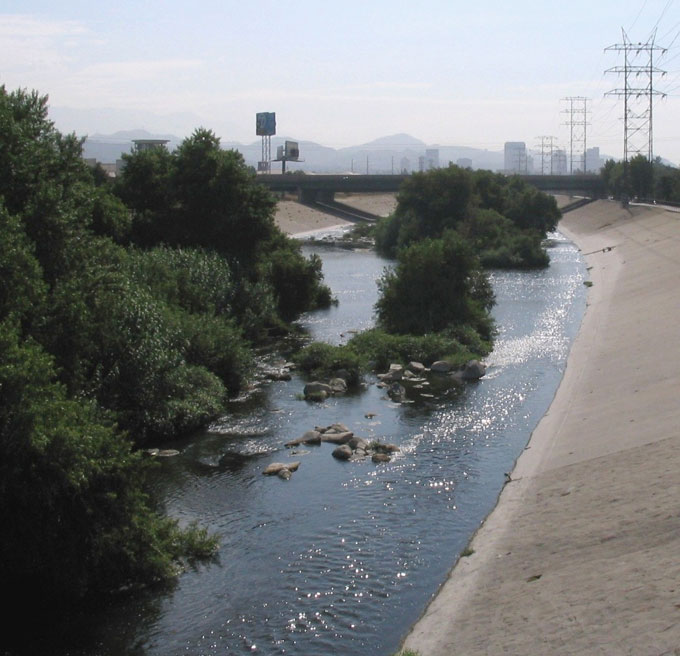
Seven pilot sites have been chosen in places where the partnership’s efforts will enhance existing work, such as the Los Angeles River in California, Lake Pontchartrain in Louisiana, and the Patapsco Watershed in Maryland. For more information, visit www.urbanwaters.gov.


Published December 31, 1969

(2011, July 1). Federal Partnership Aims to Revitalize Urban Waters. Retrieved from https://www.buildinggreen.com/departments/newsbrief

Add new comment

To post a comment, you need to register for a BuildingGreen Basic membership (free) or login to your existing profile.

Measuring the Environmental Impact of Furniture

News Brief

Measuring the Environmental Impact of Furniture

By Paula MeltonWhich chair, desk, or filing cabinet has the smallest environmental impact? Many manufacturers make claims about recycled content, VOCs, sustainable harvesting, or other green features—but making an apples-to-apples comparison of several products’ environmental features is next to impossible.

That’s where environmental product declarations (EPDs) come in: these multi-attribute labels are under development in the U.S. as a way for purchasers to get detailed information on the full environmental life cycle of a product. In order to get an accurate EPD, though, an independent body must first set the ground rules—called product category rules (PCRs)—for a set of products. The Business & Institutional Furniture Manufacturers Association (BIFMA) has partnered with standards developer NSF International to define these PCRs for furniture.

It is anticipated that more organizations will be stepping up soon to develop PCRs for other product categories. EPDs will have increasing importance as the building industry strives to meet both voluntary commitments and regulatory requirements for reducing energy use and carbon emissions. For more on the emerging role of EPDs, see “LEED Pilot Credit to Promote Product Transparency—Not Performance” and “A 2030 Challenge for Building Product Manufacturers,” EBN March 2011.

Published December 31, 1969

(2011, June 30). Measuring the Environmental Impact of Furniture. Retrieved from https://www.buildinggreen.com/departments/newsbrief

Add new comment

To post a comment, you need to register for a BuildingGreen Basic membership (free) or login to your existing profile.

DOE Spurs Progress on Green Building Valuations

News Brief

DOE Spurs Progress on Green Building Valuations

By Paula MeltonThe Appraisal Foundation has teamed up with the U.S. Department of Energy (DOE) to bring the appraisal industry up to speed on valuation of green commercial buildings.

The resulting education programs and building performance databases will help appraisers recognize and evaluate sustainability features within their own local real estate markets using existing valuation standards. Energy efficiency lowers operating costs and affects the income potential of a given commercial property both directly and indirectly, but the appraisal industry has been slow to develop and standardize valuation tools that take this and other sustainability features into account.

For more information on appraising green buildings, see “Valuing Green: Appraisals to Include Environmental Features,“ EBN June 2011.

Published December 31, 1969

(2011, June 30). DOE Spurs Progress on Green Building Valuations. Retrieved from https://www.buildinggreen.com/departments/newsbrief

Add new comment

To post a comment, you need to register for a BuildingGreen Basic membership (free) or login to your existing profile.

Google Searches for Rooftops to Cover with PV

News Brief

Google Searches for Rooftops to Cover with PV

Google will provide free photovoltaic (PV) installations to 10,000 homeowners as part of a $280 million program with PV installer SolarCity.


In exchange for the installation, which would typically cost tens of thousands of dollars, homeowners will agree to pay a set amount (lower than typical utility costs) for the power produced by the PV system. Google will reap returns in the form of tax incentives for solar installations and by collecting interest on its loan to SolarCity, which operates in 11 states. The financing program continues Google’s recent spate of funding for massive renewable-energy projects, including $100 million invested in an 845 MW wind farm under construction in Oregon.

Published December 31, 1969

(2011, June 30). Google Searches for Rooftops to Cover with PV. Retrieved from https://www.buildinggreen.com/departments/newsbrief

Add new comment

To post a comment, you need to register for a BuildingGreen Basic membership (free) or login to your existing profile.