Transpare Database Helps Cleaning Professionals Find Cleaner Products

News Brief

Transpare Database Helps Cleaning Professionals Find Cleaner Products

Free online product registry aims to “break through confusion and greenwash.”

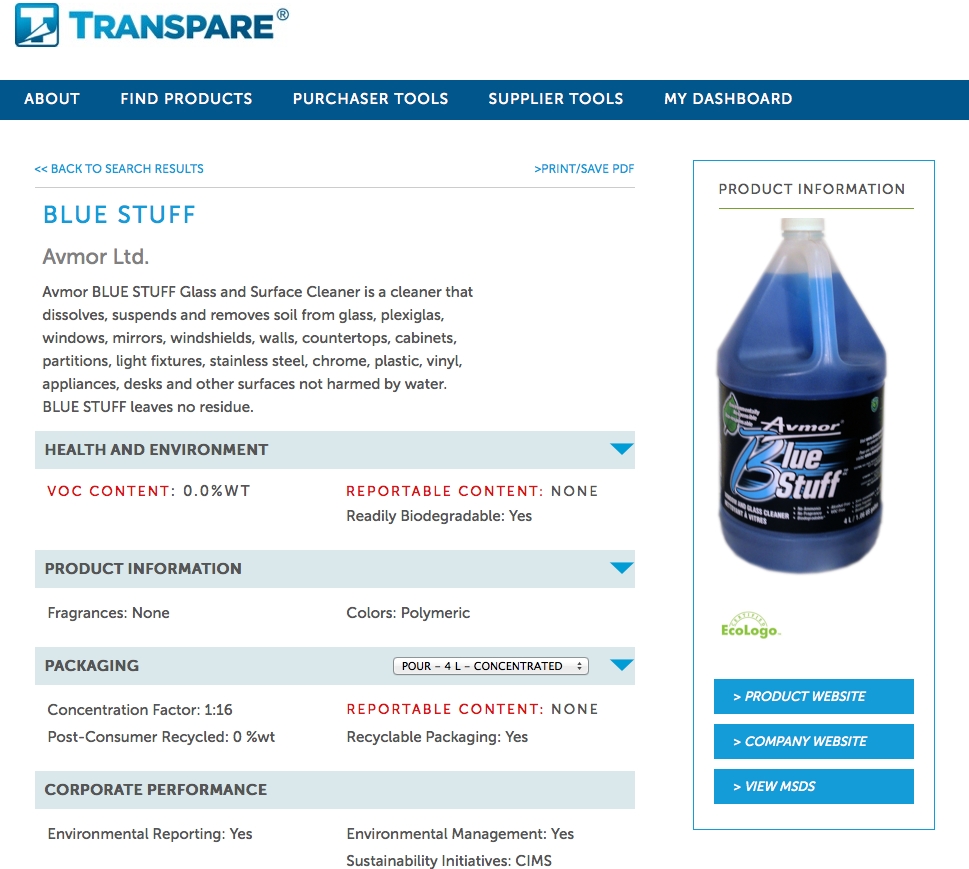
A new database of commercial cleaning products, Transpare.com, could help cleaning-service contractors and facility managers make more sustainable and healthier choices.

Launched by ISSA, an international trade association of cleaning professionals and cleaning-product manufacturers, the database offers manufacturer-supplied information on product attributes like VOC content, recyclability of packaging, corporate sustainability reporting, and eco-labels.

Creators of the database claim that Transpare puts all products on an even playing field by using “uniform metrics, which can be sorted according to those criteria important to the customer.” Filters on the site allow users to search only for products with no fragrances or colors, for example.

Conventional cleaning products often contain compounds like formaldehyde, glycol ethers, and other ingredients that could potentially harm both building occupants and professional cleaners. Recent research suggests that occupational exposure to cleaning chemicals puts janitorial workers at higher risk for asthma than smoking does.

Transpare will also include sustainability data about paper products and cleaning equipment; these categories are currently labeled “under development” on the site’s home page.


Published December 31, 1969

(2013, June 3). Transpare Database Helps Cleaning Professionals Find Cleaner Products. Retrieved from https://www.buildinggreen.com/departments/newsbrief

Add new comment

To post a comment, you need to register for a BuildingGreen Basic membership (free) or login to your existing profile.

New Website Tracks Energy Laws

News Brief

New Website Tracks Energy Laws

With state-by-state and national searches, the Advanced Energy Tracker keeps tabs on energy policy.

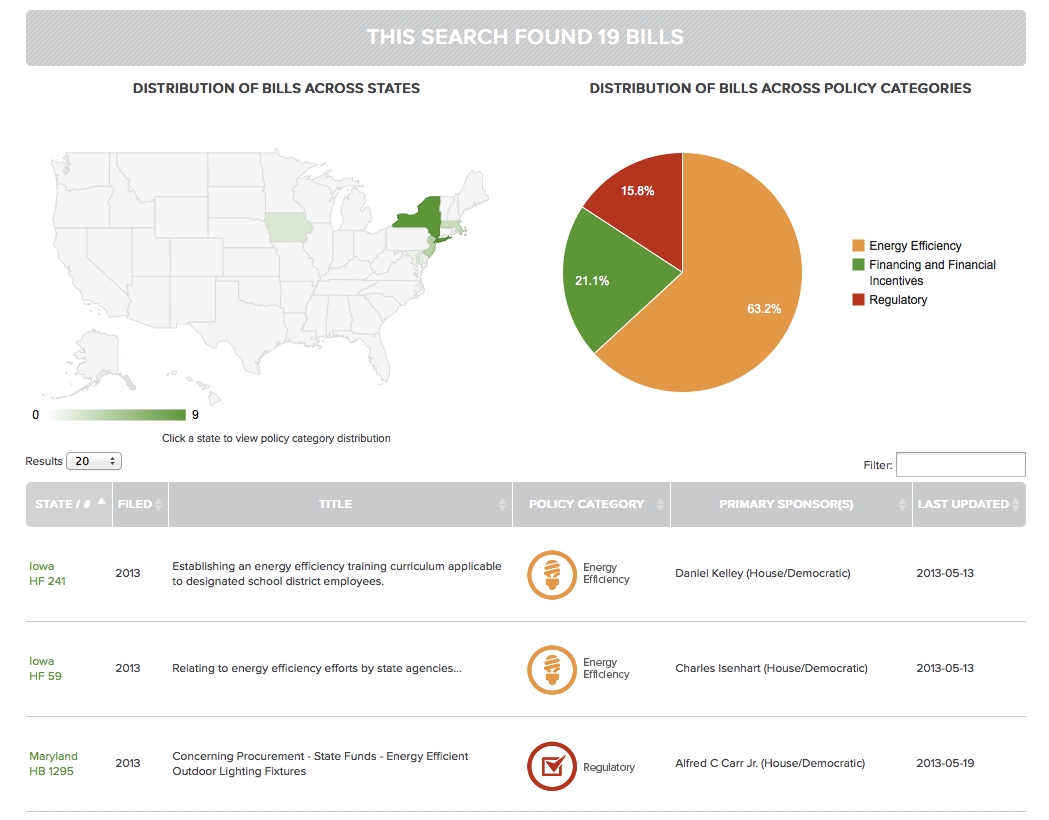
A new database developed by researchers at Colorado State University, the Advanced Energy Legislation Tracker (AEL Tracker), serves as a clearinghouse for energy-policy information in all 50 U.S. States. The group’s website also provides national trend data and analysis.

To view customized lists of pending legislation, users can choose any or all states and select from ten policy categories (like energy efficiency, financing, and economic development), or search by keyword (such as “building code” or “rooftop solar”). A page for each of the more than 2,000 bills in the database shows the bill’s sponsors, lists all actions and votes that have been taken on the bill, and links to the most recent wording on the state’s website.

Co-creators of the website, Advanced Energy Economy and the Center of the New Energy Economy, also provide free trend reports analyzing the data collected in the AEL Tracker. The most recent of these, “Addressing the Upfront Cost Barrier: States Invest in Finance Policy This Session” (PDF) reveals that tax incentives predominate in most legislation but concludes that less-popular policies, such as PACE financing, “hold the greatest promise for revolutionizing our energy economy.”


Published December 31, 1969

(2013, June 3). New Website Tracks Energy Laws. Retrieved from https://www.buildinggreen.com/departments/newsbrief

Add new comment

To post a comment, you need to register for a BuildingGreen Basic membership (free) or login to your existing profile.

Flame Retardants Put Firefighters at Risk

News Brief

Flame Retardants Put Firefighters at Risk

A new study reveals alarming levels of toxic chemicals in firefighters’ blood.

If there’s one group you’d expect to be in favor of flame-retardant chemicals, it’s firefighters.

Not so, according to reporter Mario Moretto at the Bangor Daily News. Although danger is part of the job, firefighters didn’t sign up for the long-term risks associated with toxic chemicals they breathe in when building materials and common household plastics burn. This has compelled some firefighters’ unions to lobby for tighter regulations on the harmful chemicals—and new research gives us an inkling of just how much danger they’re in.

Marine toxicologist Susan Shaw, DrPH, found that firefighters had alarmingly high levels of PBDE flame retardants (polybrominated diphenyl ethers) in their blood immediately after fighting fires—three times higher than that of average Americans, who already have the highest PBDE levels in the world. Although the most toxic forms of these chemicals were phased out of production in 2004, they—along with newer, chemically similar flame retardants—remain in household items and dust. They are also persistent, bioaccumulative toxic substances that can actually become more harmful the longer they persist.

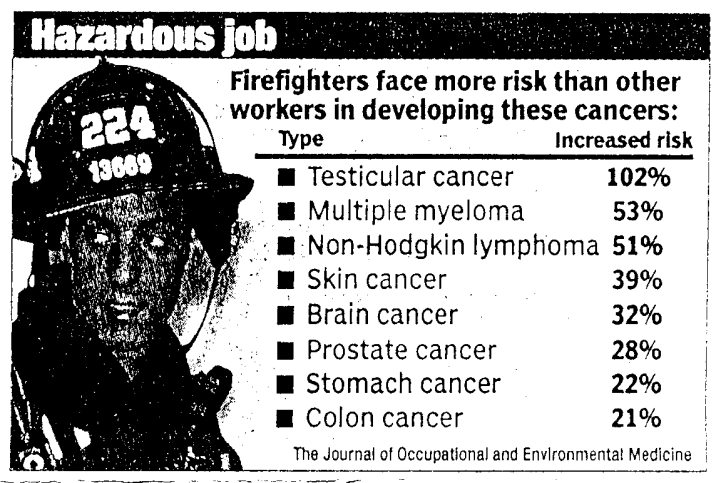
PBDEs are endocrine disruptors and neurological toxicants that may have links to thyroid cancer. Shaw said the firefighters also had elevated levels of dioxin and furans—both potent carcinogens that occur when PVC and other common plastics burn. Although firefighters are known to have higher cancer risk than the general population—including double the risk of testicular cancer—no studies have linked their increased risk to specific chemicals. A massive, multi-year epidemiological study launched in 2010 by the National Institute for Occupational Safety and Health may eventually help answer lingering questions.

Published December 31, 1969

(2013, June 3). Flame Retardants Put Firefighters at Risk. Retrieved from https://www.buildinggreen.com/departments/newsbrief

Add new comment

To post a comment, you need to register for a BuildingGreen Basic membership (free) or login to your existing profile.

Spray-Foam Endangers Occupants' Health, Lawsuits Allege

News Brief

Spray-Foam Endangers Occupants' Health, Lawsuits Allege

Homeowners blame manufacturers for alleged damage to their health and homes.

Federal lawsuits against a number of manufacturers and installers of the insulation have been filed throughout the U.S., according to Scott Gibson at the website GreenBuildingAdvisor.com, with homeowners claiming they have been forced out of their homes due to health problems that include chemical sensitivity and neurological damage.

Attorney Vince Pravato, best known as one of the lawyers who helped win a class-action lawsuit against drywall manufacturers in China, told Gibson that SPF manufacturer Demilec came up most frequently in the lawsuits due to alleged defects in everything from manufacturing to labeling to installer training.

“Most often,” Gibson reports, “the affected homeowners were in their homes at the time the foam was sprayed or returned home immediately afterward.” Such practices fly in the face of guidelines published by the American Chemistry Council (PDF), which state that installers should “carefully schedule construction activities so that no other trades or occupants are in the area during SPF installation” and “vacate building occupants and non-SPF personnel from the structure during the spray 
application process and for a period of time after completion.”

Poor jobsite safety measures like these have led the U.S. Environmental Protection Agency to take action on spray-foam health risks as well.

Published December 31, 1969

(2013, June 3). Spray-Foam Endangers Occupants' Health, Lawsuits Allege. Retrieved from https://www.buildinggreen.com/departments/newsbrief

Add new comment

To post a comment, you need to register for a BuildingGreen Basic membership (free) or login to your existing profile.

Greenguard Turns Children & Schools into Gold

News Brief

Greenguard Turns Children & Schools into Gold

UL Environment retires the “Children & Schools” label and ups the ante on formaldehyde emissions.

The biggest mouthful in indoor emissions standards—Greenguard Children & Schools—has downsized its name while slightly upping its VOC standards.

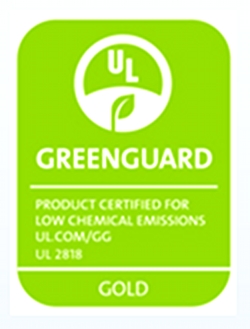
UL Environment, which purchased Greenguard in 2011, changed the program’s name to Greenguard Gold while streamlining a number of its certification marks, according to a spokesperson. The new name makes it clear that the certification is appropriate for all building types, she noted, and also highlights the fact that Greenguard Gold is the more stringent level of Greenguard certification. The most substantive technical change was a reduction in allowable formaldehyde emissions—from16.5 to 9.0 µg/m3—beginning January 1, 2013.

The new Greenguard Gold label clearly identifies UL as the owner of the certification; it also includes an explanation of the certification, a URL to learn more, and the reference number of the Greenguard emissions testing standard (UL 2818).

Published December 31, 1969

(2013, June 3). Greenguard Turns Children & Schools into Gold. Retrieved from https://www.buildinggreen.com/departments/newsbrief

Add new comment

To post a comment, you need to register for a BuildingGreen Basic membership (free) or login to your existing profile.

City Mice Get Tougher Faster, Geneticists Say

News Brief

City Mice Get Tougher Faster, Geneticists Say

Should country mice visit their cousins more often? DNA suggests city mice are rapidly evolving to resist disease and heavy metals.

Everything moves faster in cities—including evolution, new research suggests.

Huddled together in the wooded “islands” of New York City parks, urban white-footed mice have begun to differentiate genetically from their rural brethren in the larger forested areas surrounding the city—and from one another within the metropolis—according to new research. Two different genetic models “identified most city parks as harboring unique evolutionary populations” of the woodland rodents, with just a few green areas like cemeteries and highway medians permitting limited migration, writes lead researcher Jason Munshi-South, Ph.D., of Baruch College, City University of New York.

The “urban adapter” mice share a few characteristics that distinguish them from rural mice—differences in genetic makeup that would likely affect their ability to metabolize toxic substances, resist infection, and fend off gene mutations that might lead to cancer. These genetic differences appear to have evolved independently in the mice of each park—and to have done so with surprising speed, in 200 years or less.

Munshi-South’s research team is now working to identify the pressures over the last two centuries that produced the adaptations, to help them better understand the effects of urbanization on native species.

Published December 31, 1969

(2013, June 3). City Mice Get Tougher Faster, Geneticists Say. Retrieved from https://www.buildinggreen.com/departments/newsbrief

Add new comment

To post a comment, you need to register for a BuildingGreen Basic membership (free) or login to your existing profile.

Brownfields + Renewables = Award-Winning Innovation

News Brief

Brownfields + Renewables = Award-Winning Innovation

EPA gets kudos from Harvard for turning contaminated land into clean energy.

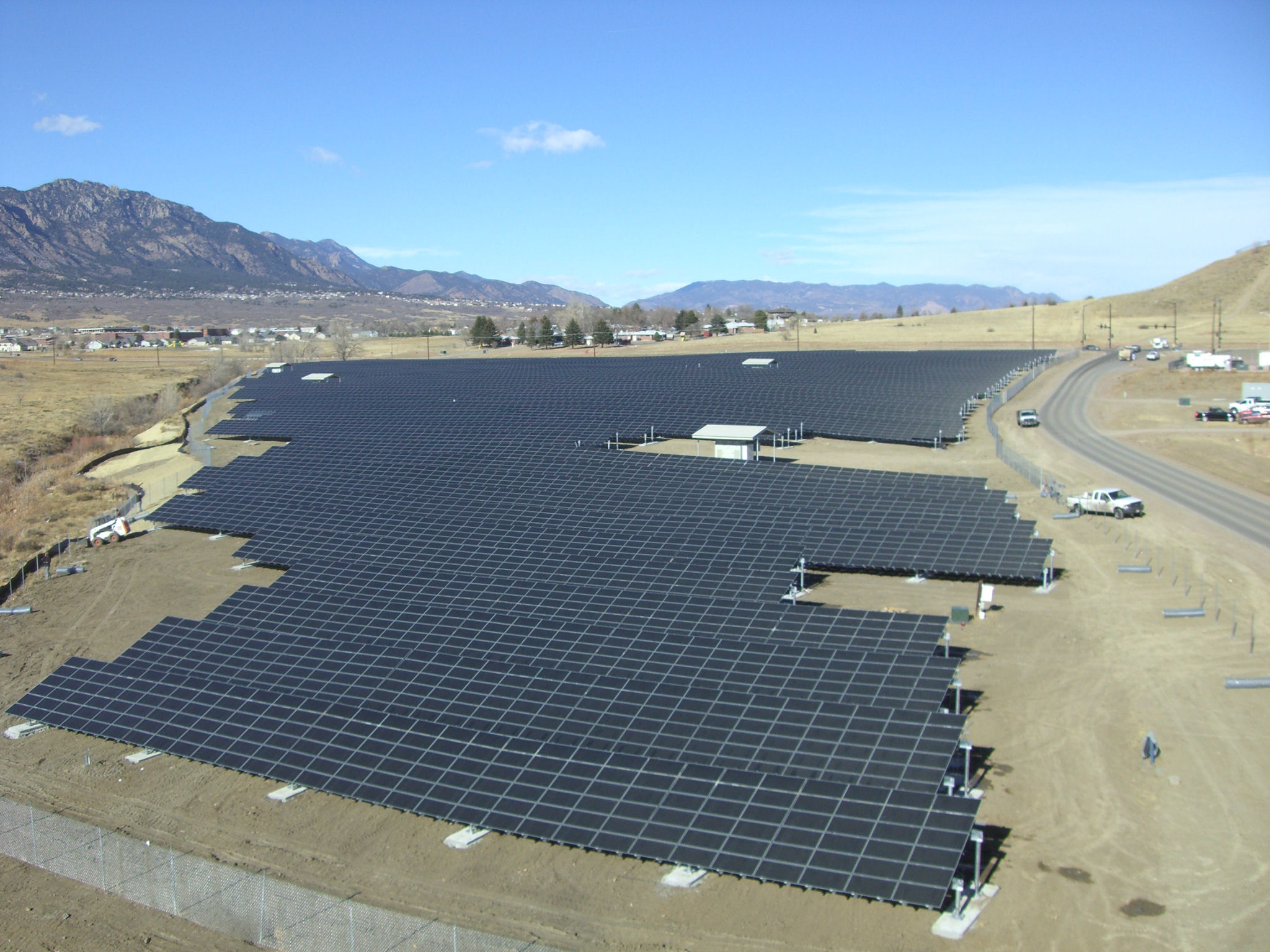
Landfills, decommissioned mines, and Superfund sites are being put to good use through the U.S. Environmental Protection Agency’s (EPA) RE-Powering America’s Land Initiative. Now the program has received top honors from Harvard University’s Ash Center for Democratic Governance and Innovation.

The EPA program provides mapping tools, technical support, and other resources to help ensure that much-needed development of solar and wind farms happens on previously developed land rather than on greenfield sites. RE-Powering so far boasts 73 installations in 26 states totaling 217 MW of capacity—about two-thirds of that capacity from photovoltaics. Most of the projects sell power wholesale to the grid, according to EPA.

Given every two years, the Harvard Innovations Award recognizes government projects that are novel, effective, significant, and transferable. An Alaska watershed council also received an award for environmental revitalization for bringing together 70 sovereign indigenous tribes under an international governance model to protect the Yukon River.

Published December 31, 1969

(2013, June 3). Brownfields + Renewables = Award-Winning Innovation. Retrieved from https://www.buildinggreen.com/departments/newsbrief

Add new comment

To post a comment, you need to register for a BuildingGreen Basic membership (free) or login to your existing profile.

World's First LEED for Healthcare Certification

News Brief

World's First LEED for Healthcare Certification

A Washington clinic earns Gold under one of LEED’s newest rating systems.

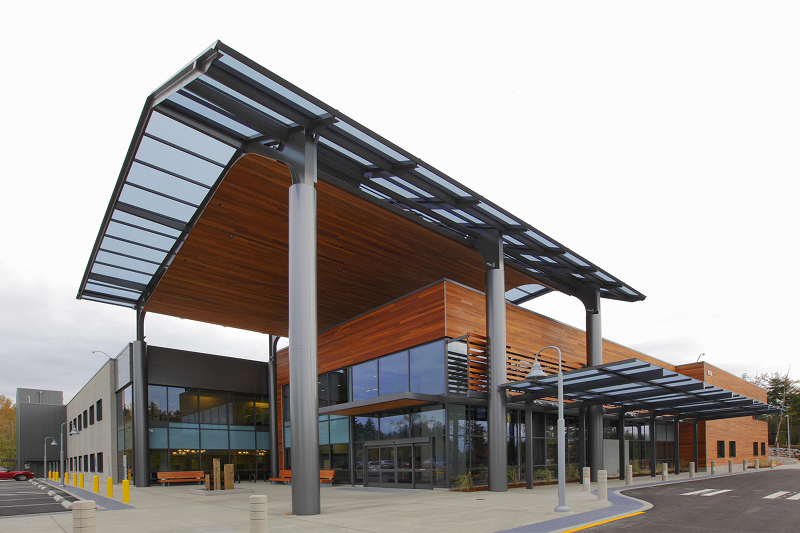
A Group Health clinic in Puyallup, Washington, has become the first building in the world to achieve LEED for Healthcare (LEED–HC) certification. The CollinsWoerman-designed outpatient medical center provides a relatively nontoxic indoor environment while also using equipment and exterior products that avoid polluting outdoor air and groundwater. The project attempts to reduce patient and staff stress through better design.

Group Health is touting the facility as “the medical center of tomorrow” and plans to use the building design—created with hands-on involvement of both patients and staff—as a prototype for future development.

Introduced by the U.S. Green Building Council (USGBC) in January 2011, LEED–HC aims to mitigate the intensive energy and water needs of medical buildings while honoring the health-focused mission of the organizations that build and operate them. Unlike other LEED rating systems, LEED–HC requires an integrative process intended to include the entire project team in creating and following through on human-health-focused design and construction strategies.


Published December 31, 1969

(2013, April 26). World's First LEED for Healthcare Certification. Retrieved from https://www.buildinggreen.com/departments/newsbrief

Add new comment

To post a comment, you need to register for a BuildingGreen Basic membership (free) or login to your existing profile.

Tired Brain? Head for the Trees

News Brief

Tired Brain? Head for the Trees

Using a mobile EEG, scientists have “discovered” that green spaces are calming.

We may be getting closer to quantifying the psychological effects of nature.

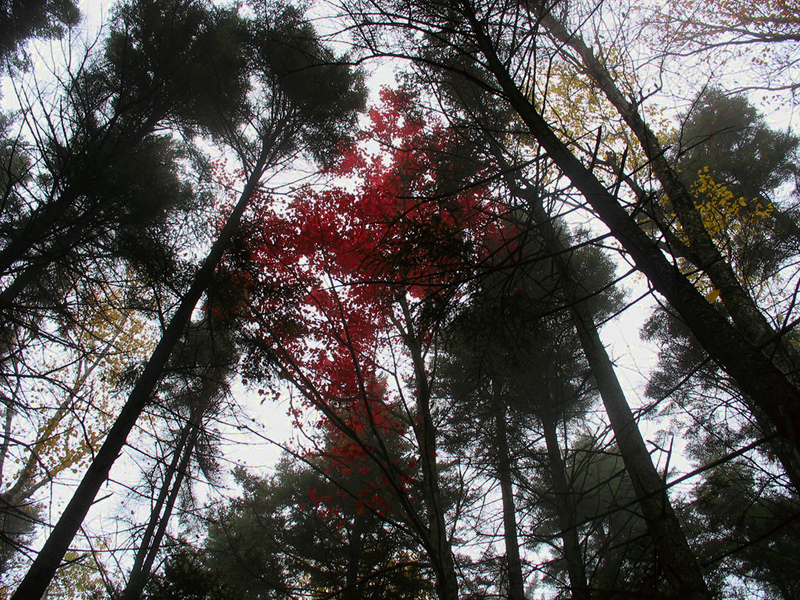
Although the green building community likes to promote the health and productivity benefits of exposure to natural daylight, views of nature, and even pastoral landscape paintings, gathering data on those benefits can be difficult—a major barrier to adoption of certain sustainable design practices in an industry driven by dollars and cents. But new technology and methodology—use of a mobile electroencephalogram (EEG) to study emotional responses to the built environment—could improve our ability to gather much-needed data, according to New York Times wellness reporter Gretchen Reynolds.

Researchers at Heriot-Watt University in Edinburgh tested the mobile EEGs on 12 subjects, who walked through a shopping district, a park, and a busy commercial district. Although preliminary, the results, published in the British Journal of Sports Medicine, were marked: participants showed “lower frustration, engagement and arousal, and higher meditation” while walking in the park.

Lead researcher Jenny Roe, Ph.D., told the New York Times that taking a break from work to walk in a green space “is likely to have a restorative effect and help with attention fatigue and stress recovery.”

Published December 31, 1969

(2013, April 26). Tired Brain? Head for the Trees. Retrieved from https://www.buildinggreen.com/departments/newsbrief

Add new comment

To post a comment, you need to register for a BuildingGreen Basic membership (free) or login to your existing profile.

Competition Asks the Public to Redesign Rockaway

News Brief

Competition Asks the Public to Redesign Rockaway

By Erin Weaver A new design competition seeks innovative proposals from the public for the sustainable, resilient development of 81 acres on New York City’s Rockaway Peninsula.

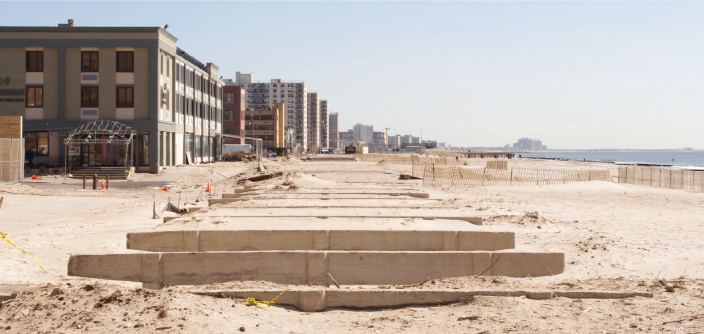
“For a Resilient Rockaway” (FAR ROC) aims to create a mixed-use, mixed-income development at Arverne East, an oceanfront flood-hazard zone inundated by Hurricane Sandy. The competition’s joint sponsors include the City of New York, L+M Development Partners, the Bluestone Organization, Triangle Equities, Enterprise Community Partners, and AIA New York. FAR ROC emphasizes both ecological sensitivity and infrastructure that will allow the community to recover from future storms.

Proposals may include up to 1,500 housing units and 500,000 ft2 of commercial space, and must incorporate 35 acres of nature preserve, 9 acres of dune preserve, and a minimum of 3.3 acres of additional open space.

The two-phase competition will accept submissions from individuals and non-licensed firms during Phase One, but the four finalists chosen to proceed to Phase Two will need to involve a licensed architect and engineer. Finalists will be awarded $30,000 to further develop their proposals, and a winner announced in October 2013 will receive an additional prize of $30,000.

Teams are asked to register by May 31, 2013. More information, including the design brief, site surveys, and aerial maps of the Rockaway area, are available at the competition’s website.


Published December 31, 1969

(2013, April 24). Competition Asks the Public to Redesign Rockaway. Retrieved from https://www.buildinggreen.com/departments/newsbrief

Add new comment

To post a comment, you need to register for a BuildingGreen Basic membership (free) or login to your existing profile.