Forty-year-old caps on silica dust in construction and industry are to be slashed by OSHA.
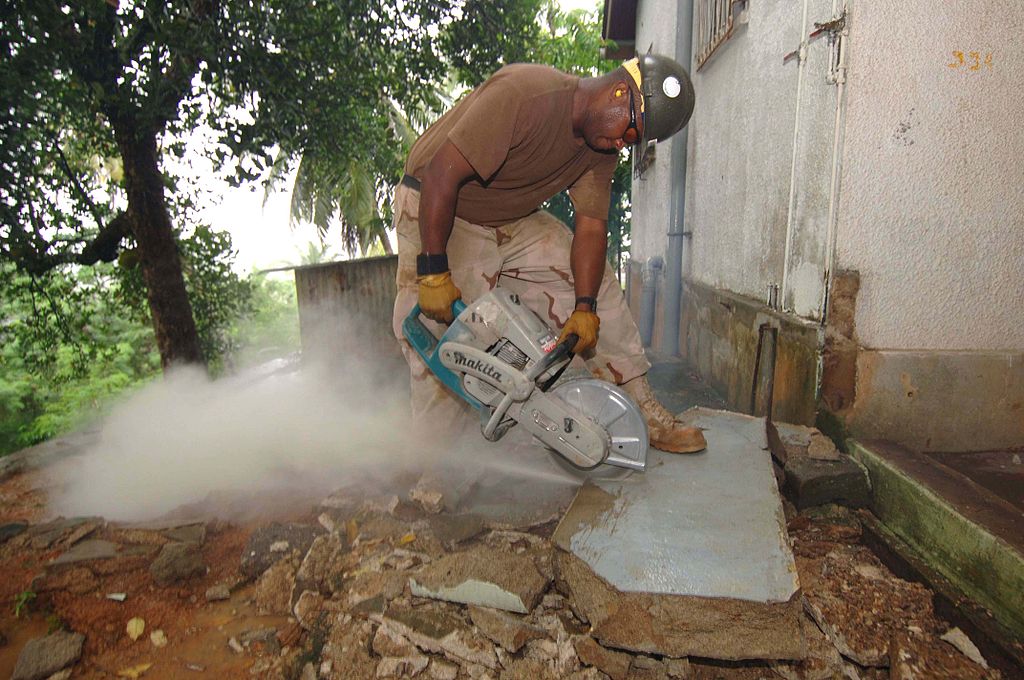
The U.S. Occupational Safety and Health Administration (OSHA) is proposing more stringent exposure limits for crystalline silica—dust particles produced by cutting or crushing stone products and a known cause of lung cancer and silicosis. Heightened standards are projected to save nearly 700 lives and prevent 1,600 new cases of silicosis per year, many in the construction or glass manufacturing industries.
OSHA’s proposed permissible exposure limit (PEL) is 50 μg/m3 (micrograms of silica per cubic meter of air) averaged over an eight-hour day—a significant cut from the current 40-year-old limits (100 μg for general and maritime industries and 250 μg in construction).
Companies also must supply respirators if controls fail to achieve the PEL and must offer medical exams to those working in these conditions for 30 days or more per year. Another major provision requires companies to measure airborne silica if levels are above 25 μg/m3; however, there are “flexible alternatives” for construction companies that institute certain dust control measures, such as using a stationary masonry saw equipped with a water delivery system.
The labor union for industrial organizations, AFL-CIO, welcomed the proposal as “long overdue” in a press release, but several members of the Construction Industry Safety Coalition, including the National Association of Home Builders (NAHB), are worried about practicality and cost.
According to a statement from NAHB, dust-capture systems are not appropriate in all applications (such as when spraying water could cause mold); the trade group also argues that the cost of compliance would be overly burdensome to the construction industry and would exceed $1 billion per year.
For more information:
Occupational Safety and Health Administration
https://www.osha.gov/silica/nprm.pdf


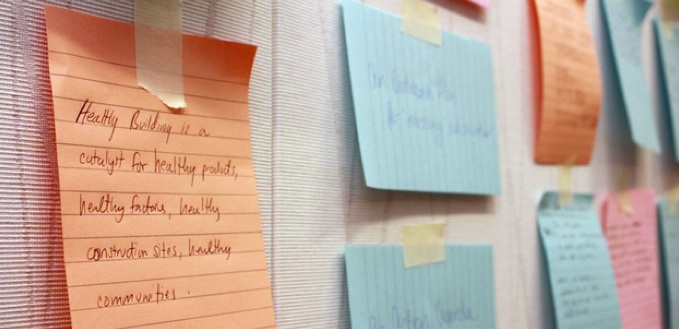 Recognizing that green building could be a tool to address some of our worst public health challenges—such as asthma, obesity, and cancer—the U.S. Green Building Council (USGBC) is taking steps to better align green building goals with a public health agenda, evidenced by a new report titled “
 Gaming consoles like the Xbox 360, PlayStation 3, and Wii may soon have to meet new efficiency standards to be sold in California—which represents an eighth of all U.S. consumers and often sets standards that are adopted nationwide.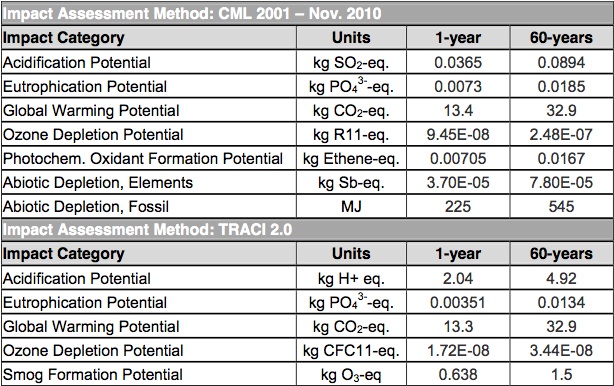
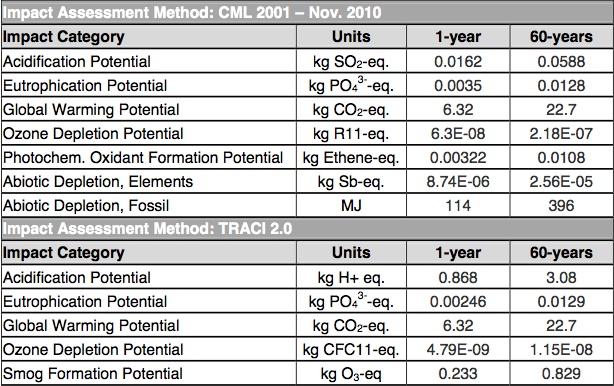 The Resilient Floor Covering Institute (RFCI) recently released the first set of industry-wide environmental product declarations (EPDs) for flooring. These documents describe a product’s life-cycle-based environmental impacts from cradle to grave and are meant to offer a consistent format to compare environmental attributes.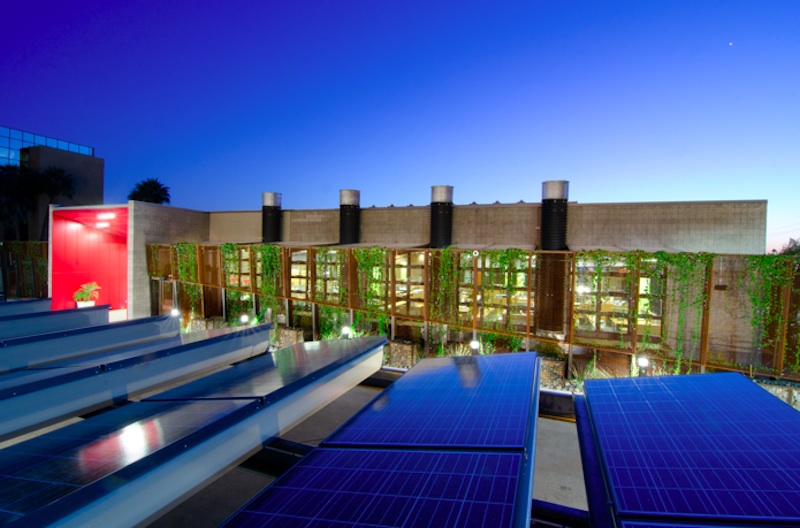


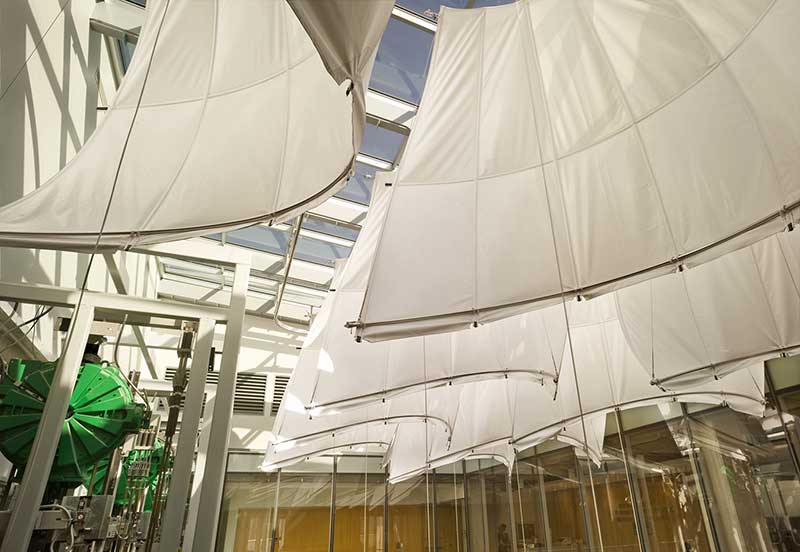
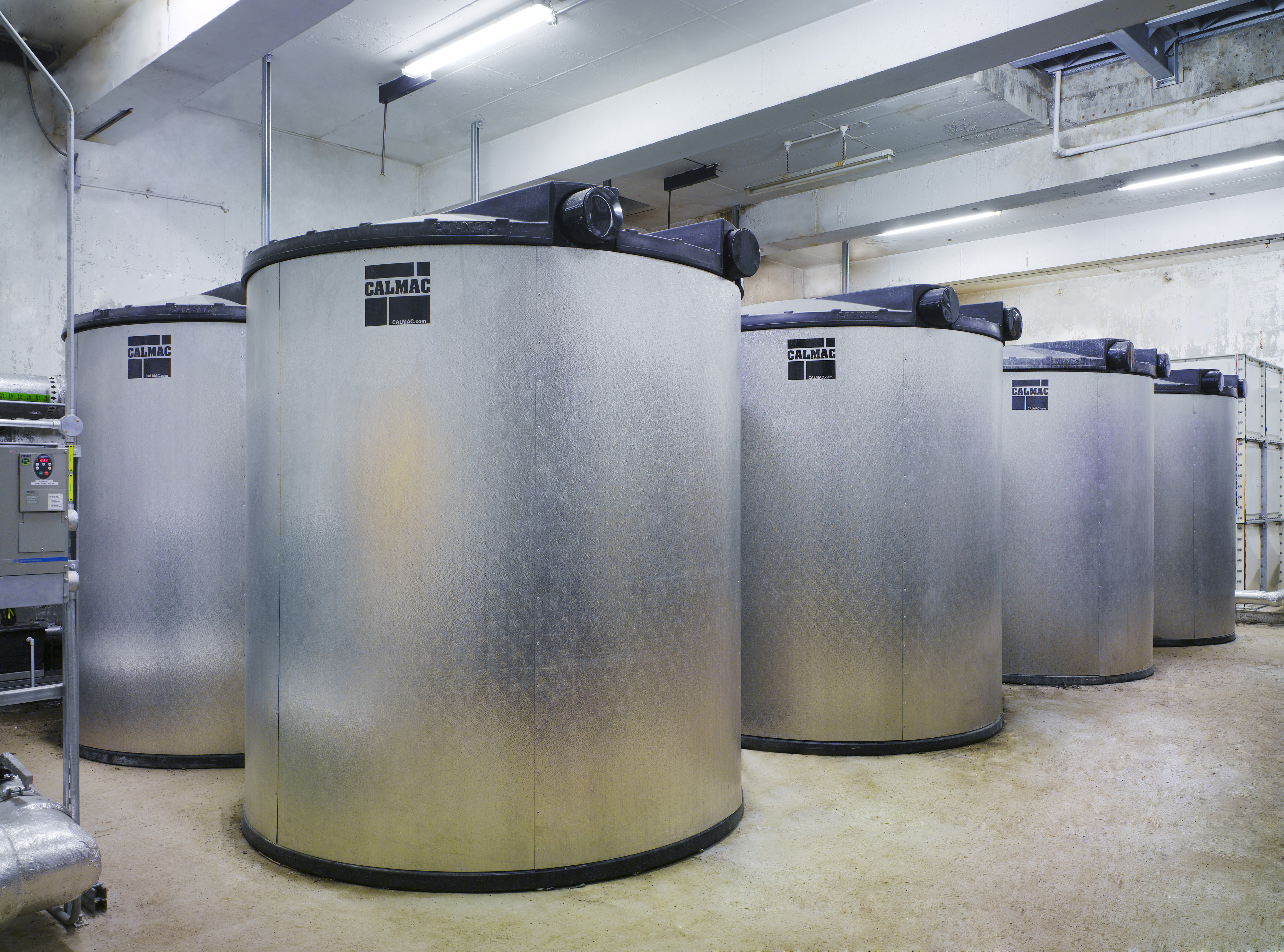 At Dundalk Institute of Technology, tanks of ice store wind energy produced at night and cool classrooms during the day. A thermal-energy-storage system designed by Calmac maximizes the amount of renewable energy that can be used onsite for the university’s PJ Carroll building—a renovated cigarette factory, now a creative arts building.
 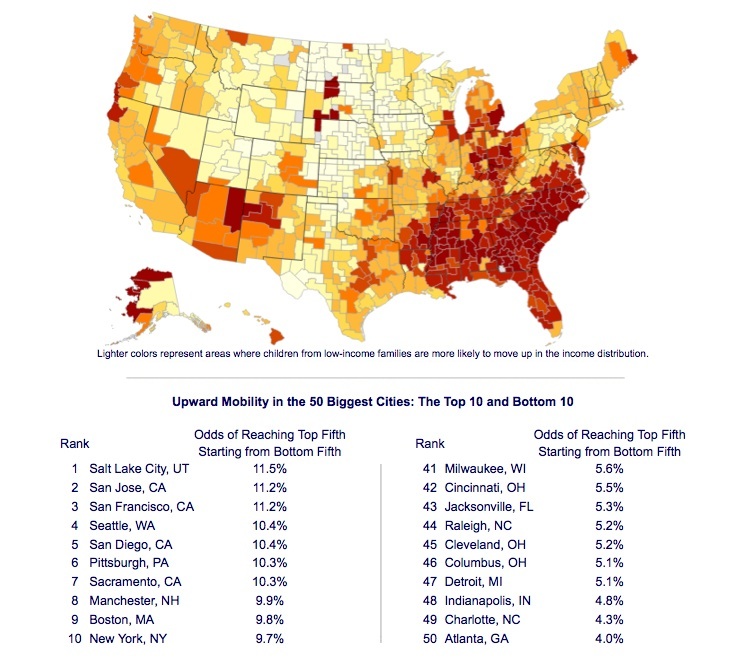 Children from low-income homes have a harder time climbing the economic ladder in cities with high levels of urban sprawl, say economists from Harvard University and the University of California–Berkeley. A

Add new comment
To post a comment, you need to register for a BuildingGreen Basic membership (free) or login to your existing profile.