Making Your Own Electricity: Onsite Photovoltaic Systems

Feature

Making Your Own Electricity: Onsite Photovoltaic Systems

Although photovoltaic systems have a long payback period, generous incentives and tax credits can make the systems attractive for building owners interested in reducing their carbon footprint.

In 1980, after living without electricity for five years, I bought a photovoltaic (PV) module for $275. Once the 33-watt Arco panel was hooked up to a 12-volt car battery, my kerosene bill dropped significantly. For a few hours each night, I was able to listen to a radio and operate a tiny 12-volt fluorescent light.

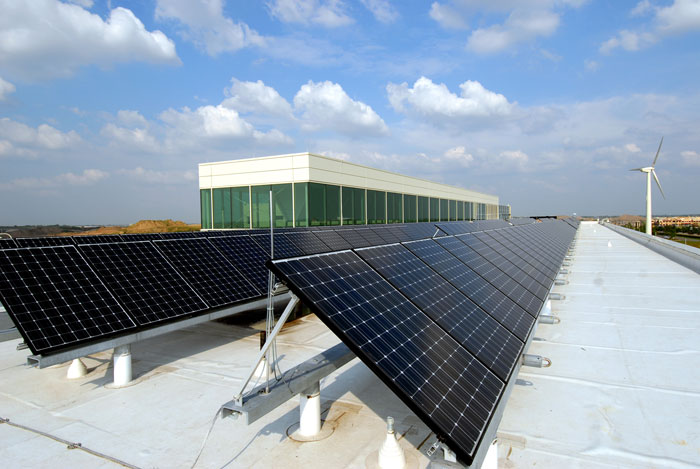
Twenty-nine years later, I still live off the grid. The old Arco module has required no maintenance other than occasional snow removal, and has produced electricity every day without fail for all those years. I now have 16 PV modules on my roof; when the sun shines brightly, the solar array produces about 840 watts.

In 1980, after living without electricity for five years, I bought a photovoltaic (PV) module for $275. Once the 33-watt Arco panel was hooked up to a 12-volt car battery, my kerosene bill dropped significantly. For a few hours each night, I was able to listen to a radio and operate a tiny 12-volt fluorescent light.

Twenty-nine years later, I still live off the grid. The old Arco module has required no maintenance other than occasional snow removal, and has produced electricity every day without fail for all those years. I now have 16 PV modules on my roof; when the sun shines brightly, the solar array produces about 840 watts.

My PV array is both more and less dependable than the grid: more dependable because it’s unaffected by the ice storms that leave my neighbors in the dark, and less dependable because it produces very little power in November and December. The most significant fact about my PV electricity is its high cost. After paying for my PV modules, inverter, and batteries, I figure that electricity costs me between $0.50 and $1.00 per kilowatt-hour (kWh).

In the early 1980s, PV systems were quite rare, and the overwhelming majority of systems were installed on off-grid homes like mine. In the late 1990s, however, utilities and state governments, led by California, began to offer incentives for the installation of grid-connected PV arrays. Lured by these incentives, increasing numbers of homeowners and businesses began installing PV systems. By 2002, grid-connected PV users outnumbered the off-grid pioneers.

Building owners choose to invest in onsite renewable energy systems for a variety of reasons: to reduce greenhouse gas emissions; to limit their exposure to future increases in the price of electricity; or to obtain the public relations benefits associated with green energy production.

Published October 30, 2009

(2009, October 30). Making Your Own Electricity: Onsite Photovoltaic Systems. Retrieved from https://www.buildinggreen.com/departments/feature

Building for People: Integrating Social Justice into Green Design

Design for Adaptation: Living in a Climate-Changing World

Feature

Design for Adaptation: Living in a Climate-Changing World

Solutions for designing buildings that not only mitigate our impact on the global climate, but also adapt to the changes that are coming (and those that are already here)

Updated April 23, 2025; updates by Elene Drosos

Climate scientists have been speaking out for decades about the need to reduce greenhouse gas emissions in order to avoid a significantly warmer and less livable future. Now that climate change is finally part of the public discussion, the future is already here—and it’s only getting warmer. Designing energy-efficient buildings is an important step toward preventing more drastic warming. We need to redouble these efforts—the 2030 Challenge goal of carbon-neutral buildings by 2030 and complete phase out of fossil fuel emissions by 2040 will be a difficult yet critical standard to meet. But by stopping there, are we turning a blind eye to the changes that scientists say are coming even if greenhouse gas emissions were turned off tomorrow?

More and more experts acknowledge that while we must continue to do all we can to slow greenhouse gas emissions, we must also begin designing buildings that will work in a changing climate. This article examines the science of global climate change and looks at how we can adapt the built environment to a world that will, by most accounts, be very different by the end of this century from the one we know today.

The Reality of Climate Change

Debate may continue in some circles about whether humans are causing climate change, or even whether it is happening at all, but the scientific consensus is overwhelmingly clear. A report issued in 2017 by the U.S. Global Change Research Program (USGCRP)—which coordinates climate change research of 13 federal agencies and operated as the U.S. Climate Change Science Program from 2002 through 2008 under the George W. Bush presidency—estimates that global average temperatures have risen approximately 1.5ºF (0.8ºC) since before the Industrial Revolution and could rise another 5ºF–10.2ºF (2.8ºC–5.7ºC) by the end of this century, based on modeling of a variety of greenhouse gas emissions levels, mitigation efforts, and economic scenarios. “The reality of climate change is unequivocal—we see it in many aspects of the Earth’s climate system,” said Jonathan Overpeck, Ph.D., co-director of the Institute of the Environment at the University of Arizona and a co-author of a past USGCRP report.

A matter of degrees

The question in the scientific community seems to be not whether we will see change but how much we will see. “The confidence that something is going to happen is exceedingly high,” said Stephen Schneider, Ph.D., professor of biology and interdisciplinary environmental studies at Stanford University and a leading proponent of climate change adaptation. “Where it gets a bit more speculative is with questions like how many meters of sea level rise we will see and what the changes in rainfall will look like,” Schneider told BuildingGreen. He suggests that the extent of change depends on a few primary factors, including the speed with which the climate responds to varying concentrations of greenhouse gases, or “climate sensitivity”; the ability of the oceans and land-based ecosystems to absorb carbon dioxide (CO2) emissions; and the robustness of our efforts to curb the release of greenhouse gases into the atmosphere.

Some effects of the warming planet are already being felt, and further consequences are on their way. These changes will vary from region to region, but general trends include changing precipitation patterns and heavier downpours, even in areas where overall precipitation will decline; longer, hotter, and more frequent heat waves; rising sea levels due to melting glaciers and land-based ice sheets; loss of both sea ice and protective snowpack in coastal areas; stressed water sources due to drought and decreased alpine snowfall; and “positive feedback loops”—consequences of warming that cause further warming, such as melting sea ice decreasing the capacity of the northern oceans to reflect solar radiation back out of the atmosphere. (More information on the regional effects of climate change can be found at www.globalchange.gov.)

Alarmingly, a paper published in the Proceedings of the National Academy of Sciences by Rick Spinrad, Ph.D., of the National Oceanic and Atmospheric Administration (NOAA), and colleagues in 2022 reported that these changes to the earth’s systems due to anthropogenic greenhouse gas emissions will be largely irreversible for 1,000 years after emissions stop. The authors emphasized that if atmospheric CO2 concentrations rise to anywhere between 450–600 ppm (from their current levels around 385 ppm), we will see permanent decreases in dry-season rainfall and “inexorable sea level rise”—between 0.4 and 1.0 meters (15–40 inches) if CO2 concentrations reach 600 ppm, and 0.6 to 1.9 meters (24–75 inches) if concentrations rise above 1,000 ppm—the consequences of which would be catastrophic. Other scientists, including James Hansen, Ph.D., director of NASA’s Goddard Institute for Space Studies, believe that we must reduce CO2 levels to below 350 ppm or risk “irreversible catastrophic effects.”

Adaptation: ‘Not an either-or proposition’

Much of what we already do in green building is related to mitigating (preventing or slowing) our impact on climate change. But given the slow pace of climate policy changes and the still-contentious political climate, we cannot stop greenhouse gas emissions on a dime, which means we are looking at changes to the earth’s systems that could radically alter our way of life. The implications are clear: no amount of mitigation will prevent potentially devastating impacts; it’s necessary for us to adapt.

The human tendency to adapt reactively is well documented, as in the case of New Orleans, where the destruction of Hurricane Katrina laid bare the city’s vulnerability to extreme storms. But proactive adaptation will be necessary to avoid far more widespread impacts of climate change elsewhere. Some municipalities have begun to incorporate climate adaptation provisions into their long-range planning, and in August 2009 California unveiled the first statewide strategy to adapt to climate change which was last updated in 2018.

These policy efforts have been slower than some climate scientists feel is necessary, and some of this may be due to a perception that adaptation initiatives will take time and resources away from mitigation programs. “What should be done about [climate change] is a legitimate debate,” says Schneider, but he argues that ultimately, mitigation and adaptation must complement each other. “The bottom line is that you’ve got to adapt to what won’t get mitigated—and unfortunately that’s going to be a few degrees—and mitigate what you can’t adapt to.” Jonathan Overpeck agrees: “Adaptation and mitigation are not an either-or proposition,” he told BuildingGreen.

Strategies for Adapting to Climate Change

There are many ways in which we can plan today for a changing climate. The strategies described below provide a sampling of ideas; this is not a comprehensive list. Many of these strategies make sense for other reasons, such as reduced operating costs, reduced emissions, and greater durability, but providing resilience to the effects of a changing climate may prove to be the easiest way to justify—or mandate—such changes.

Warmer temperatures

Increasing temperature is at the heart of climate change, and responding to this change is a critical component of any climate-change adaptation strategy. Longer, hotter, and more frequent heat waves raise demands for air-conditioning and increase heat-related deaths and injuries. Heat-adaptive strategies differ markedly by climate—what makes sense in Phoenix, where temperatures in the summer of 2024 have exceeded 118°F (48°C), will be very different from what makes sense in the Arctic, where melting permafrost is already affecting foundation design, according to John Davies, Ph.D., research director at the Cold Climate Housing Research Center in Fairbanks, Alaska.

Design cooling-load-avoidance measures into buildings. Use building geometries to limit solar gain on east and west façades, limit the area of east- and west-facing glazing, incorporate exterior shading devices above glazing, specify glazings tuned to the orientation (glass with a low solar heat gain coefficient on east and west façades), incorporate high insulation levels to reduce conductive heat gain, provide high-albedo (reflective) roofing, and provide optimized daylighting to minimize the use of electric lighting.

Design natural ventilation into buildings. In some climates, particularly those with low relative humidity, buildings can be designed to rely entirely on natural ventilation; in higher-humidity climates natural ventilation may be more practical as a backup cooling strategy that can be used during power outages as a passive survivability measure or during periods when bringing in outside air will not introduce excessive moisture.

Limit internal gains by specifying high-efficiency lighting and equipment. The higher the efficiency of lighting, office equipment, appliances, and mechanical equipment, the less waste heat is generated. In general, equipment choices are less important than design decisions since equipment is replaced more frequently.

Model energy performance with higher cooling design temperatures. With a climate that is projected to become warmer, cooling design temperatures used in energy modeling should be raised. This will help to justify higher investments in cooling-load-avoidance measures. (We’re still likely to see cold winters, so don’t raise the heating design temperatures.)

Provide landscaping to minimize cooling requirements. Trees, vines, annuals, and green roofs can all help control heat gain and minimize cooling demands on a building. Carefully designed landscaping can also help to channel cooling breezes into buildings to enhance natural ventilation. Involve landscape architects or designers at the earliest stage of planning with a new building so that existing vegetation can be preserved to aid in these uses.

Address urban heat islands in building design and landscaping. It is not unusual for urban heat islands to maintain temperatures 6°F–8°F (3°C–4°C) above that of surrounding rural land, according to Lawrence Berkeley National Laboratory. Urban heat islands increase cooling requirements and produce localized smog. Specific measures to reduce urban heat islands include tree planting, installation of green roofs on buildings, roofing with reflective membranes or coatings, and installation of light-colored (higher-albedo) pavement and walkway surfaces. Neighborhood participation and policies that address urban heat islands will help communities achieve the greatest benefit, as these strategies are most effective with widespread implementation.

Plan for termite ranges extending north. Termite ranges are extending north, so measures to exclude or control these insects should be implemented in the northern U.S. and parts of Canada (see BuildingGreen Sept. 2000).

Drought and water shortages

Changes in precipitation patterns are an expected outcome of climate change, so designing for drought is a high priority in many regions. Even in places that receive relatively high levels of precipitation, such as the southeastern U.S., drought can occur, as we learned in 2007 and 2012 when Lake Lanier, the Atlanta area’s primary water source, shrank to historically low levels. Places that have not traditionally had to deal with drought are less prepared to respond. Emergency water-use restrictions are commonly imposed during drought, but there are design- and planning-related measures that can reduce the risk and lessen the difficulty or long-term impacts of response.

Avoid new development in the driest regions. An obvious, but remarkably rare, response to expected water shortages and drought is to restrict new development in areas most likely to be affected. California has a provision requiring developers of large projects (over 500 housing units) to demonstrate that there will be an adequate water supply for 20 years before a building permit is issued. It is likely that much broader building moratoriums will become necessary in many areas in the future, and it makes sense for municipalities to establish procedures today that will enable such measures to be instituted when and if they become necessary.

Specify water-efficient fixtures and appliances. Most water fixtures and equipment are replaced relatively often—many cycles within the lifespan of a typical building—but this doesn’t mean you shouldn’t install state-of-the-art water-conserving products when any new building is constructed or an existing building is renovated. Building owners should ensure that any replacements are state-of-the-art as well.

Plumb buildings with water-conserving fixtures in mind. In homes, structured plumbing (sometimes referred to as “home-run” systems), in which individual piping lines (PEX tubing) run to each fixture or appliance from a central manifold, allows smaller-diameter lines to feed water-conserving fixtures. For example, if a water-saving, 0.5 gallon per minute (1.9 lpm), lavatory faucet is supplied by a 3⁄4" (19 mm) pipe, there will be a long wait for hot water. The wait time (and water waste) can be significantly reduced by running a 3⁄8"-diameter (10 mm) line to this feature.

Plumb buildings for graywater separation. Even if graywater collection is not permitted today, it makes sense to plumb wastewater lines to simplify the installation of a graywater system in the future. (See BuildingGreen April 2008 for more on graywater.)

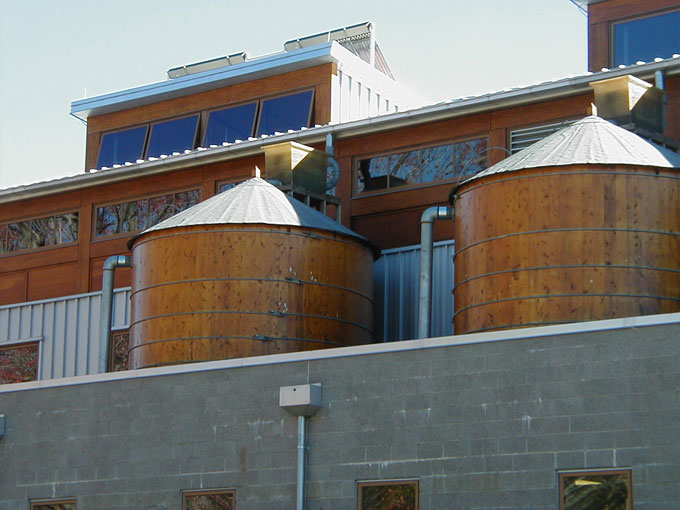
Harvest rainwater. In many climates, rainwater can be collected and stored for outdoor irrigation, toilet flushing, and, with proper filtration and treatment, potable uses. By addressing rainwater harvesting during design, it may be possible to locate cisterns high on the building to facilitate gravity distribution—which can be critically important during power outages or emergency situations. Rainwater collection is still illegal in some states, particularly in the West, but that is changing as water shortages become a reality.

Plant native, climatically appropriate trees and other vegetation. Conventional turf requires about 40 inches (1 m) of rainfall per year, distributed evenly over the growing season, and such turf is being planted from Arizona to Maine. Similarly, the same few dozen trees and shrubs are being planted nationwide, no matter what the climate—often locking building owners into decades of watering. When drought emergencies are imposed, such vegetation often dies, unable to survive without irrigation. A better and lower-risk approach is to plant vegetation that is adapted to the local climate and able to survive periodic droughts. Such practice is often referred to as xeriscaping. Areas of turf needed as play areas or for aesthetic reasons can be irrigated with harvested rainwater or graywater as local regulations allow.

More intense storms, flooding, and rising sea levels

According to some experts, the most visible and imminent effects of climate change will likely be the increasing severity of storms. As water temperatures rise in the South Atlantic, tropical storm systems will pick up more energy, resulting in higher-magnitude hurricanes on the Gulf Coast and Eastern Seaboard. Elsewhere, changing precipitation patterns are expected to deliver more rainfall in intense storms that result in river flooding. To complicate matters, development has made our landscapes less able to absorb rainfall, says architect Don Watson, FAIA, who wrote a book on “design for resilience.” “We’ve taken away all the absorptive capacity of our landscapes,” Watson told BuildingGreen. Adapting to climate change will require making our buildings more resilient to storms and flooding. In the longer term, we need to prepare for rising sea levels and restoring the ability of our land to absorb water.

Avoid building in flood zones. Flood zones are expanding—often faster than revisions to zoning regulations, meaning that simply following the law relative to the siting of buildings may not be enough. Instead of designing to 100-year floods, consider designing to 500-year floods, seeking civil engineering or surveyor assistance as needed.

Expand stormwater management capacity and rely on natural systems. More intense storms will strain the capacity of standard stormwater management infrastructure in some areas. Provide larger stormwater conveyance and detention basins, and try to rely on natural features, constructed wetlands, and other ecologically based systems to manage stormwater. “Restore the ecological services of the landscape,” says Watson.

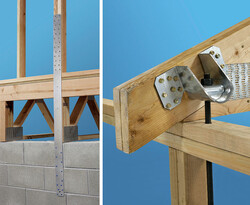
Design buildings to survive extreme winds. The Miami-Dade County Hurricane Code has done a great deal to lessen storm damage in Florida. This sort of code should be adopted much more widely (not just in hurricane-prone areas) to protect buildings from the more severe storms that are expected. Examples of specific measures that impart good wind resistance to a building include installing impact-resistant windows (compliant with Miami-Dade Protocols PA 201, PA 202, and PA 203) or exterior shutters; installing outward-opening doors that are less likely to be pushed inward in intense wind; designing walls to resist uplift using hurricane strapping and other metal fasteners that provide a continuous load path from foundation to roof (see photo above); anchoring walls properly to foundations or frost walls; designing walls to resist shear and lateral forces using engineered wall bracing or shear panels for frame walls and proper use of re-bar for masonry walls; designing roof geometries (such as hip roofs) that are less prone to wind damage than gable roofs; installing continuous roof underlayment; properly installing high-strength roof sheathing (such as 5⁄8" plywood) that will resist uplift; and specifying roofing that has been tested to ASTM standards for wind resistance.

Raise buildings off the ground. In flood-prone areas—even where flooding is only remotely possible—raise buildings or living spaces above ground level to minimize damage in the event of flooding. With any type of pier foundation, use great care to ensure that energy performance and airtightness are not compromised; raised floors are notoriously difficult to insulate and seal.

Specify materials that can survive flooding. Especially in locations where flooding or hurricane damage is likely, use materials that can get wet and then dry out with minimal damage. Such materials include preservative-treated sills and wood framing (choosing environmentally friendly treatments like sodium silicate and borate), fiberglass-faced rather than paper-faced drywall, and tile or resilient flooring rather than carpeting.

Install specialized components to protect buildings from flooding or allow flooding with minimal damage. Breakaway wall panels on pier foundations in flood-prone areas can allow floodwaters to pass under a house without destroying it. Flood vents (permanent openings in foundation walls) allow floodwaters to escape. Specialized flood barriers, such as products made by Savannah Trims (www.floodbarriers.net), can keep rising floodwaters out in certain situations.

Elevate mechanical and electrical equipment. To minimize damage—and danger—from flooding, elevate mechanical equipment, electrical panels, and other equipment above a reasonably expected flood level.

Install check valves in sewer lines. These prevent floodwaters from backing up into drains in a building—which can occur when sewers or combined storm sewers are overloaded.

Begin planning for rising sea levels in coastal areas. Some of our largest population centers and a number of resort developments are located in low-lying coastal areas that are vulnerable to rising sea levels. Considerable planning will be needed to protect buildings and infrastructure in such places—ranging from construction of levees and flood walls to reconfiguring entire coastal landscapes in ways that minimize risks from rising sea levels. In some areas, it will be necessary to move entire cities and towns. We need to begin planning for such monumental efforts in a serious way.

Wildfire

In certain climates and ecosystems, climate change will increase the risk of wildfire—particularly in the West but also in other areas where it is not common today. The concern is exacerbated by development that has sprawled into chaparral areas that are managed by periodic fire. Most homes that are ignited by wildfires catch fire from airborne embers (firebrands) that may extend ahead of a wildfire by a mile or more. Measures described here largely concern residential buildings, which comprise most of the structures being built in wildfire-prone areas.

Specify Class A roofing. The roof is the most vulnerable component of a house to wildfire, according to the Center for Fire Research and Outreach at the University of California, Berkeley. Standard tile roofs are particularly vulnerable to wildfire, because wind-blown embers can enter attics through gaps in the tile. To reduce risk, a Class A “assembly rating,” for roofing, which addresses both the roofing and underlying components, should be specified (based on ASTM E-108 testing). Complex rooflines with dormers, valleys, and other architectural features increase risk because pine needles and other debris accumulate in these places and can catch fire from blowing embers.

Eliminate gutters or design and maintain them to minimize fire risk. Embers can quickly ignite pine needles and other debris caught in gutters, which can then impinge on the roof-edge assembly. Both metal and vinyl gutters are problematic—noncombustible metal gutters stay in place when burning, thus exposing the roof edge to fire, while vinyl gutters typically melt and fall off but continue burning on the ground, exposing siding to fire. Eliminating gutters and providing moisture management in some other way is one option in fire-prone areas. If gutters are used, screening and other features can help keep gutters free of debris, though some trap debris above the gutter. Diligent cleaning of gutters by homeowners is of paramount importance.

Avoid vented roofs or protect vents from ember entry. Embers entering a roof through soffit vents are one of the leading causes of home ignition during wildfires. The best option is to design—and carefully build—an unvented (or hot) roof; great care is required to control air leakage and moisture entry. Where vents are used in wildfire areas, maximum 1⁄8" (3 mm) screening should be used, but even this can admit some embers. Specialized soffit venting products are available to minimize risk. While some wildfire design guides suggest limiting roof overhangs (soffit depths) because they can trap pockets of heated air, this conflicts with moisture-control benefits of deep overhangs, and the Berkeley Center for Wildfire Research and Outreach recommends maintaining deep overhangs.

Install high-performance, tempered windows. Window glass breaks from thermal stresses during a fire, allowing fire to enter the house. Double- and triple-glazed windows are less prone to breakage during a fire than single-glazed windows, and tempered or reinforced glass further helps prevent breakage.

Choose deck materials carefully. Plastic and wood-plastic composite decks are fairly vulnerable to fires. Solid wood decking is surprisingly resistant to wildfire, though some treated decking products, such as OnWood, offer significantly better fire resistance. Generally more important than the decking materials is the management of the deck area and keeping combustible vegetation and other material away from it. Patios provide a safer alternative to decks.

Install noncombustible siding. While siding is less often the point of home ignition in a wildfire than the roof, windows, or vents, it can be the weak point if these other components are particularly fire-safe or if an adjacent structure catches fire. Non-combustible options include fiber-cement siding, metal siding,three-coat stucco, and brick. Wood siding can be made “ignition-resistant” by treating it with an exterior fire-retardant chemical.

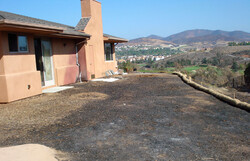
Manage vegetation around homes. In wildfire-prone areas, fire-safe landscaping around a home is very important. Recommended practices include keeping dry grasses, brush, and dead leaves at least 30 feet (10 m) from the house (more on a slope); maintaining firefighter access around the house; selecting drought-tolerant, high-moisture-content plants; pruning trees to maintain at least 10 feet (3 m) between branches and the roof; and pruning lower branches of trees near homes to eliminate “fire ladders” that allow fires to reach tree canopies. Some homeowners go so far as to keep all vegetation away from a home, maintaining instead a barren “mulch” of crushed stone; such an extreme measure should not be required in most places. See references, including Firewise.org, for more recommendations.

Power interruptions

Some of the likely impacts of climate change, such as intense storms and flooding, can cause power outages directly. Drought can also cause power outages indirectly if lack of cooling water for power plants results in rolling blackouts or brownouts. Adapting buildings to climate change should include measures that will make those buildings less affected by power outages. This is one of the key tenets of passive survivability, detailed in BuildingGreen May 2006.

Design buildings to maintain passive survivability. Homes, apartment buildings, schools, hospitals, and certain other public buildings should be designed to maintain livable conditions in the event of loss of power or heating fuel, or shortages of water—a design criterion known as passive survivability. Specific strategies include an extremely high-performance building envelope (high insulation levels, triple-glazed windows in cooler climates, etc.), cooling-load-avoidance features, natural ventilation, and passive solar heating.

Provide dual-mode operability with high-rise buildings. Look into designing tall buildings that will operate in normal mode when utility power is available, and in an emergency passive mode during power outages or when site-generated power is used. In the passive mode, electricity flow would be limited to critical needs such as elevators, ventilation fans, heating system pumps and fans, fire suppression systems, critical lighting, and so forth, so that the building could maintain limited functionality rather than having to be evacuated.

Design mechanical systems to operate on DC power. If mechanical systems are designed with DC-powered pumps, motors, and fans, they can be more easily switched to non-grid power, which could be provided by backup generators or renewable energy systems.

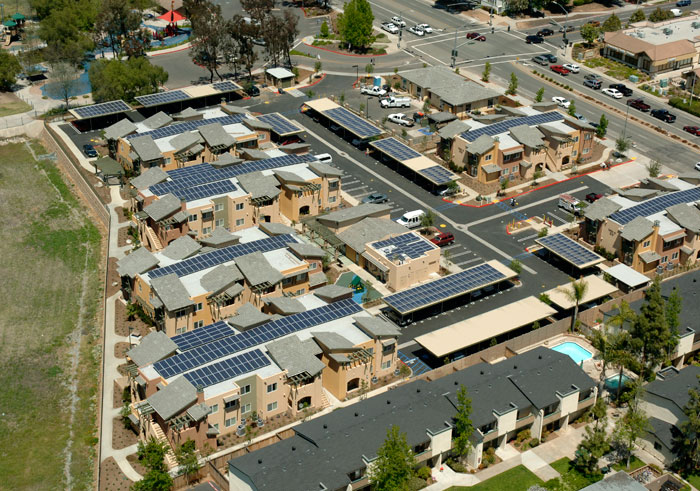
Provide site-generated electricity from renewable energy. Incorporate photovoltaic panels into buildings or link buildings with other nearby renewable energy sources such as stand-alone wind turbines or small hydropower facilities.

Provide solar hot water. Install solar water-heating systems. Especially appropriate are systems that can operate passively or that rely on integral photovoltaic modules to operate pumps so that functionality is maintained during power outages.

In urban and suburban areas, maintain access to the sun. Site-generated electricity and solar-thermal energy will become increasingly important with climate change, and being able to retrofit buildings for solar electricity, water heating, space heating, and absorption or evaporative cooling will depend on solar access. Solar access should be mandated by zoning and other provisions.

Plan and zone communities to maintain functionality without power. Incorporate measures for ensuring mobility, access to key services, and general functionality during power outages or gasoline shortages through effective municipal planning and zoning. Providing high-density, pedestrian-friendly, mixed-use communities surrounded by farmland and open space should be a high priority among planners.

Looking to the Future

Most of these strategies for adapting buildings to the effects of climate change are relatively straightforward—and eminently doable. It makes sense to incorporate these into our design palette today. There are other challenges that are likely to be far more complex, requiring significant cultural and economic shifts if we are to adapt to a future that is not only warmer but must function without petroleum. Alternate transportation systems, new agricultural practices and food systems, more localized economies, and stronger neighborhood and community networks will make us more resilient to changes and uncertainty in a way that simply building better buildings cannot. The adaptive measures addressed here give us something we can think about and act upon today. The good news is that many of these measures also help to mitigate climate change—and quite a few reduce building operating costs or improve durability, benefiting building owners as well as the future of the planet.

For more information:

Federal Alliance for Safe Homes (FLASH)

Tallahassee, Florida

877-221-7233

www.flash.org

Federal Energy Management Agency (FEMA)

Washington, D.C.

800-621-3362

www.fema.gov

Center for Fire Research and Outreach

University of California, Berkeley

Berkeley, California

firecenter.berkeley.edu

U.S. Global Change Research Program

www.globalchange.gov

Published August 28, 2009

Polystyrene Insulation: Does It Belong in a Green Building?

Buildings on Ice: Making the Case for Thermal Energy Storage

The Living Building Challenge: Can It Really Change the World?

The Folly of Building-Integrated Wind

Feature

The Folly of Building-Integrated Wind

Wind turbulence, safety, cost, and poor performance all make building-integrated wind a limited strategy.

The appeal of integrating wind turbines into our buildings is strong. Rooftops are elevated above ground, where it’s windier; the electricity is generated right where it’s needed; and wind energy can make a strong visual statement. Dozens of start-up wind turbine manufacturers have latched onto this idea since it fits well with a strong public sentiment to shift from fossil fuels to renewables. The 30% tax credit for the technology (that’s 30% without a cap) provides a strong financial incentive. A year ago, Mayor Michael Bloomberg even suggested building-integrated wind as a greening strategy for New York City’s many tall buildings. What’s not to like about it?
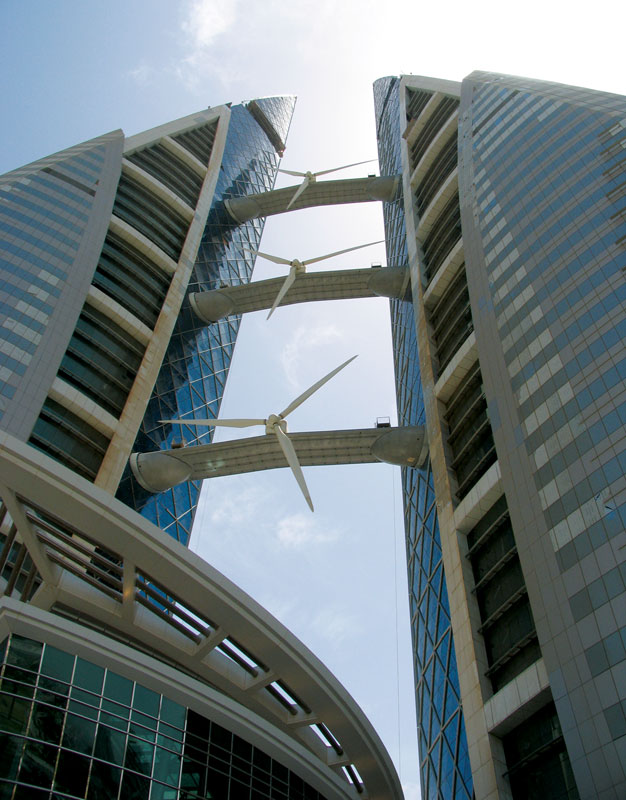
It turns out that, despite some benefits, building-integrated wind doesn’t make much sense as a renewable-energy strategy. In this article, we’ll examine both the pros and cons of this technology, look at some examples of how it’s been tried, and explain why it’s usually a bad idea.

Context for Building-Integrated Wind

The wind power industry has gone through a steady evolution since the 1970s, when interest in generating electricity from the wind was reawakened. Wind turbines from the early 1970s were generally small, a few kilowatts (kW) in rated output, and most were for residential applications. Aided by significant research support from the U.S. Department of Energy, the wind industry pursued the significant economies of scale with larger turbines, leading to machines with output in the tens of kW, then hundreds of kW, then in the megawatt (MW) scale.
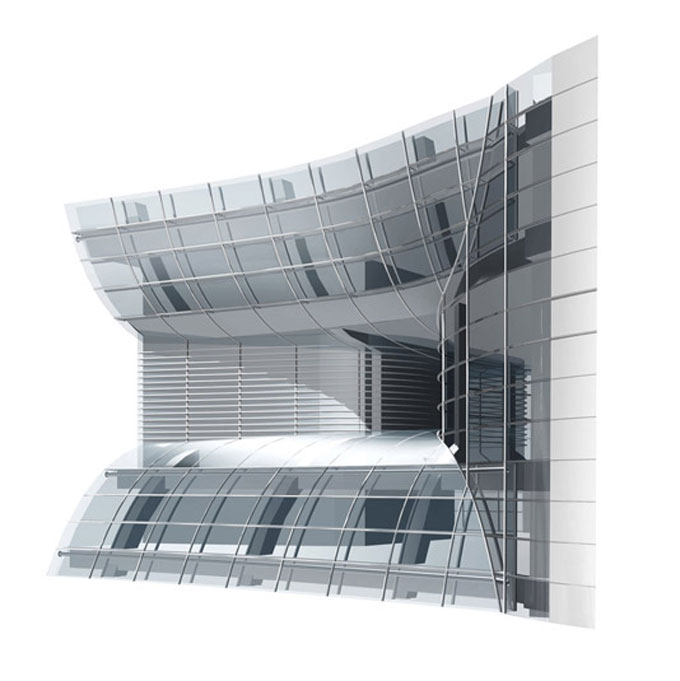
Another major shift, starting in the 1980s, was to aggregate wind turbines into wind farms. By situating multiple wind turbines close to each other on windy ridges, such as Altamont Pass and Tehachapi Pass in California, maintenance could be more efficient, and power could more easily be fed into the utility grid.

Some suggest that a third shift is underway today: putting wind turbines on top of buildings or integrating them into buildings in other ways.

The Case for Building-Integrated Wind

Wind speed typically increases with height, as it is less affected by trees and surrounding topography. Putting wind turbines on top of buildings—especially tall buildings—should allow them to take advantage of height without an expensive, full-size tower.

In some cases, building geometry can enhance wind turbine performance. Several manufacturers of building-integrated wind turbines are taking advantage of the increased wind velocities at building parapets—where the wind rises up the façade of a large building and curls over the edge. Some architects are designing wind scoops right into the structures of buildings or situating building towers to funnel wind into turbines.

Most of our electricity is used in buildings, and generating the electricity on site reduces the need for transmission. This in turn reduces transmission losses as well as the materials needed for wiring and poles. In addition to this practical benefit, wind turbines spinning on a building provide a visible testament to a building owner’s commitment to the environment. While building-integrated photovoltaics (PV) can make a similar statement, the modules just sit there; we don’t see them generating electricity.

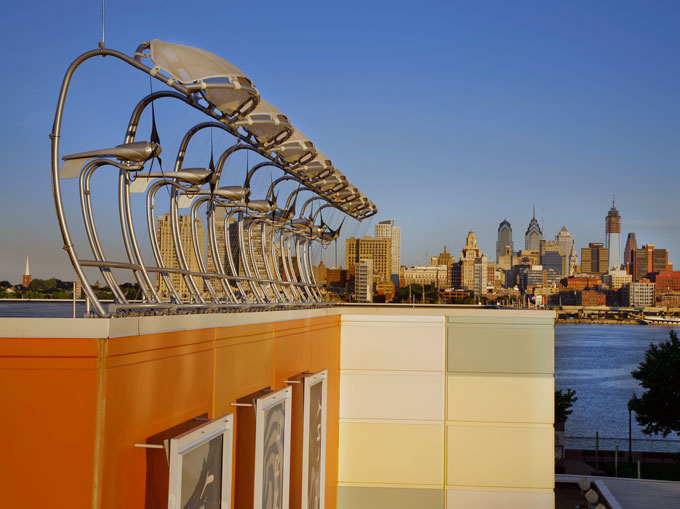
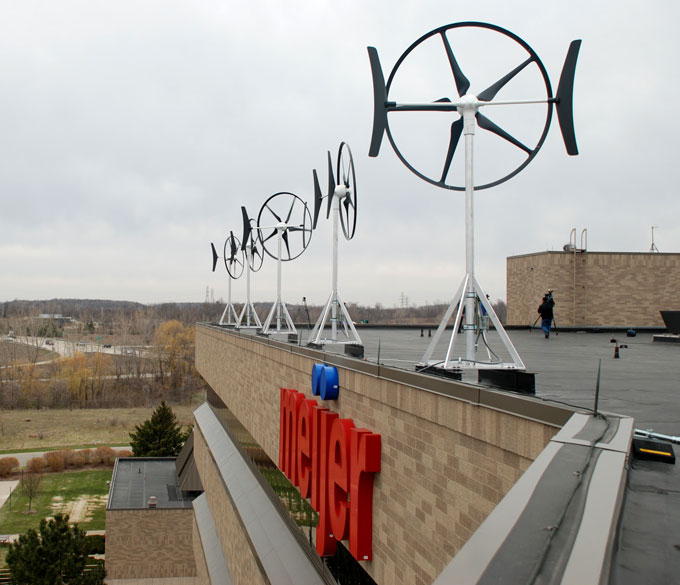
Finally, many consider wind turbines to be beautiful. The graceful AeroVironment wind turbines that top an office building at Logan International Airport are an aesthetic feature. Architects and building owners spend a lot of money on non-functional, decorative elements of buildings; why not install decorative elements that actually do something?

Facing Up to Reality

Unfortunately, building-integrated wind often doesn’t live up to its promise. The turbines must overcome several challenges to meet performance expectations and be cost effective.

Turbulent Air Flow

The best wind-turbine performance happens with strong laminar wind, in which all of the air flows in a single direction. But on top of even very tall buildings, wind flow is highly turbulent. Bob Thresher, director of the National Wind Technology Center at the National Renewable Energy Laboratory (NREL) in Golden, Colorado, explains that as wind flow comes over the edge of a roof or around a corner, it separates into streams. “Separating the flow creates a lot of turbulence,” he told EBN.

According to Ron Stimmel, the small wind technology expert at the American Wind Energy Association (AWEA), this turbulent flow confuses a wind turbine, affecting its performance. “Even if it feels really windy [on top of a building], it’s probably more turbulent than steady wind,” he said. A common rule of thumb, according to Stimmel, is to elevate a wind turbine at least 30 feet (9 m) above anything within a 500-foot (150 m) radius, including the building itself.

What about the increased wind velocity at building parapets that manufacturers like AeroVironment use? Although AeroVironment’s turbines successfully harvest this band of higher-velocity wind, they do so only in a fairly narrow band, which limits the potential size and output of wind turbines. Because the turbines are small, the economics are not as attractive as with larger wind turbines.

Noise and vibration

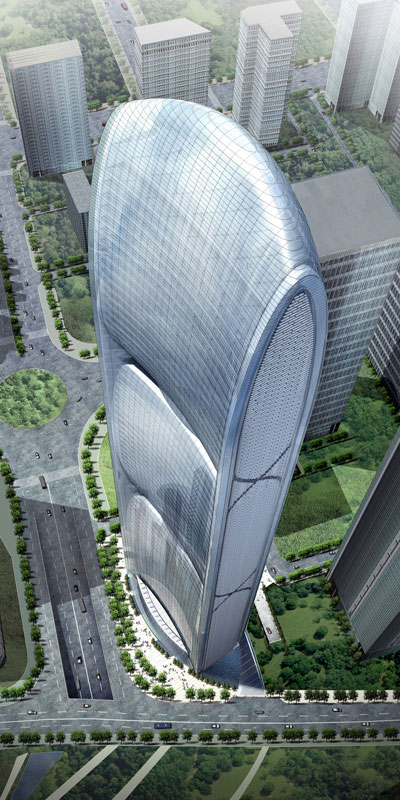
Noise and vibration from wind turbines are among the greatest obstacles to integrating them into buildings. Based on the recent surge in building-integrated wind, one might think that engineers had beaten this problem. In truth, some wind turbines are a lot quieter than others—vertical-axis machines among them—but managing noise and vibration remains a huge challenge. Roger Frechette, P.E., of Skidmore, Owings & Merrill (SOM) in Chicago, who led the engineering team on the Pearl River Tower, opted for vertical-axis turbines to minimize noise and vibration but still put them in unoccupied “technical floors” to isolate them from occupants in the building.
Engineer Paul Torcellini, P.E., Ph.D., of NREL points out that the vibration from wind turbines is variable. He said that with HVAC fans on buildings, where the frequency of the fan is known, controlling the vibration and noise requires carefully engineered housings and mounting systems to isolate that vibration from the building—and it’s still a problem.

In one of the only extensive surveys of actual performance of building-integrated wind turbines (the Warwick Wind Trials Project, the only turbines able to generate close to their projected electricity output were mounted on high-rise apartment buildings. And these wind turbines remained switched off throughout most of the test period because of complaints from the residents about noise.

If you try to put a turbine on a tower on top of a building—to get away from the turbulent flow and into the most productive wind—the stresses on the building are magnified. Randy Swisher, the past executive director of AWEA, notes that wind turbines are subjected to a great deal of stress, and if installed on a building, “that stress can be transmitted to the building structure, creating substantial problems.”
Experts

EBN interviewed explained that turbulent flow creates stress on the drive gear in a turbine, creating vibrations. These vibrations can, in turn, create harmonic resonances within a building structure. Metal roof decks made from thin roll-formed steel sheet, common in commercial buildings, can act like drumheads and amplify these resonances. In fact, AeroVironment, the building-integrated wind energy company that has done more than any other to understand the aerodynamics of wind around buildings, suggests in its sales literature that their turbines are only appropriate for buildings constructed of concrete.

Safety

One of the inherent fears aroused by installing wind turbines on buildings is that blades might fly off and injure people or property. It is not unheard of for large, free-standing wind turbines to occasionally shed a blade. On a ridgetop or in a large field, these accidents are unlikely to cause serious damage, but on a tall building in a city or even on a house, they could be a real problem. Even if the building owner is willing to accept that risk, the insurance company may not be.

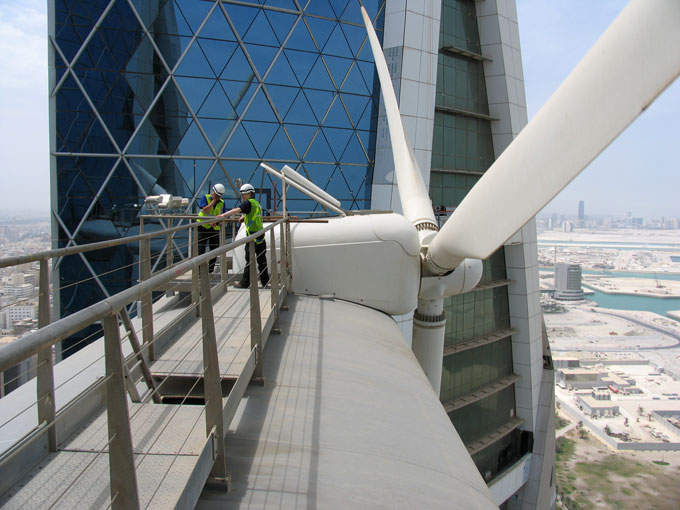
Though EBN found no evidence of injury or damage from building-integrated wind turbines, a building such as the Bahrain World Trade Center, with its 95-foot-diameter (29 m) rotors, might not be insurable in the risk-averse and litigious North American market.

Poor measured performance

Despite the growing number of building-integrated wind turbine installations around North America and the rest of the world, obtaining actual measured performance data is like pulling teeth. Most manufacturers of these wind systems either claim not to have such data or are unwilling to share it. The reason for this reluctance may be that actual electricity production is much worse than expected.

Manufacturers publish power curves for their turbines that show projected electricity outputs at different wind speeds. There is also a rated power output at a specific wind speed, though the wind speed used for this rated output differs among manufacturers. Referring to small-scale, rooftop wind turbines, Ron Stimmel of AWEA said that “it’s very, very difficult to get them to perform at anywhere near their rated capacities.” He told EBN that he has yet to find one that achieves its expected performance.

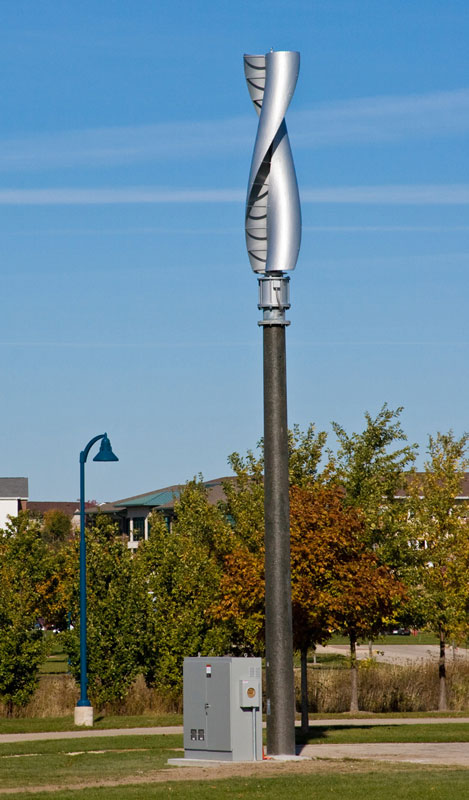
The municipal utility company Madison Gas and Electric, in Wisconsin, set out last year to find out for itself whether small-scale, building-integrated wind made sense. The company installed a vertical-axis wind turbine made by the Finnish company Windside, whose turbines are widely installed on rooftops in Europe. Madison Gas and Electric installed a turbine on a pole, with the top at 42 feet (13 m)—about the height it would be on a one-story commercial building—and has been tracking performance continually since November 2008.
According to senior engineer David Toso, P.E, the 12-foot-tall (3.7 m) by 3-foot-diameter (0.9 m) WS-4C turbine is rated at 10 kW AC power output, but he has never seen it produce more than 600 watts—6% of its rated output—even on a very windy day. The turbine cost $40,000 and was purchased from Bright Idea Energy Solutions in Evansville, Indiana (which is no longer distributing the Windside product, although the company does offer a similar, U.S.-made product). When EBN checked the real-time cumulative electricity production from the wind turbine in early April 2009 (go to www.mge.com and click on “Our Environment”), we found that it had produced only 33 kWh total in four months—about a quarter kWh per day. “Either someone was too aggressive with their projections, or they missed a decimal point,” Toso told EBN. “They’re not quite ready for prime time.”

Power generation systems are typically rated by a capacity factor, which is the percent of electricity generated compared with the output if the system were operating at the rated capacity over that time period (although with wind turbines there is no standard for the wind speed on which the rated capacity is based). Freestanding wind turbines in good wind sites typically operate at a 10% to 30% capacity factor—the better the site, the higher the capacity factor. By this analysis, the Madison Gas and Electric wind turbine is operating at a capacity factor of just 0.11%. Fixed-pitch PV systems in selected cities, by comparison, have capacity factors ranging from 11% in Seattle to 18% in Tucson, according to data supplied by Steven Strong of Solar Design Associates.

The previously mentioned Warwick Wind Trials Project in the U.K. measured turbine performance of 26 building-mounted wind turbines from October 2007 through October 2008 and found an average capacity factor of 0.85%. All were very small (“microwind,” defined as less than 2 kW) turbines, including the Ampair 600 (600 W), Zephyr Air Dolphin (1,000 W), Eclectic D400 StealthGen (400 W), and Windsave WS1000 (1,000 W). For each installation, measured electricity production was compared with predicted production based on the manufacturers’ supplied power curves and both predicted and measured wind speeds. The study found that predicted performance exceeded actual performance by a factor of 15 to 17. With the worst-performing systems, the electricity required to run the electronics exceeded the electricity production, so the wind turbines were net consumers of electricity!

A 2008 report on 19 small wind turbines installed in Massachusetts, written by the Cadmus Group with support of the Massachusetts Technology Collaborative, found far lower performance than expected. While these were freestanding rather than building-integrated turbines, the measured capacity factor was just 4%, versus the projected 10%. In other words, the performance was 60% worse than predicted. Various reasons were given as to why this large discrepancy may exist, including inaccurate wind speed estimates, incorrect power curves, inverter inefficiencies, and greater losses due to site conditions (turbulence and wind shear) than expected.

Even AeroVironment’s wind turbines, are not performing at the level the company had originally hoped for. Since 2006, when their parapet-optimized wind turbine was introduced (see EBN Aug. 2006), the company has adjusted downward its expectations of energy production, according to Paul Glenney, director of AeroVironment’s Energy Technology Center, though installations are matching their predicted power curves.
Cost-effectiveness

Perhaps the greatest impediment to building-integrated wind energy is the economics. While large free-standing wind turbines provide the least expensive renewable electricity today, small wind turbines are far less cost effective, and when small turbines are put on buildings, the costs go up while the production drops.

How does building-integrated wind compare with PV? AeroVironment installations have been running at $6,500–$9,000 per kW of installed capacity, which is fairly close to the cost of PV installations, which averaged $7,600 in 2007, according to a February 2009 report from Lawrence Berkeley National Laboratory. An AeroVironment wind system will deliver, according to Glenney, 750–1,500 kWh annually per kW of rated capacity (depending on the wind resource), while a fixed-pitch, commercial-scale PV system will deliver annually 1,100–1,200 kWh/kW of rated capacity in Boston and 1,400–1,560 kWh/kW in Tucson, according to data provided by Strong.

When you factor in the fact that the PV system is likely to deliver closer to its rated output on a building than the building-integrated wind system, while costing less to maintain, PV is just a better deal. According to Paul Gipe, a leading advocate of wind power for 30 years and author of numerous books on the topic, if you’re looking to put renewable energy on buildings, “there’s nothing better than photovoltaics.”

Wind turbines as advertising

Putting wind turbines on a building to advertise the greenness of a company or organization is a compelling idea—as long as those turbines spin most of the time. In Golden, Colorado, a Southwest Windpower Skystream turbine was installed at a dental office to make a statement about renewable energy and demonstrate wind energy. The problem, according to a few residents of the area, is that it’s hardly ever spinning, especially during the morning rush hour when commuters are driving by. A lot of commuters who pass this turbine may conclude that wind energy doesn’t work very well.

Products

Quite a few manufacturers offer wind turbines for rooftop installation. The following is a small sampling of what’s available today.

AeroVironment AVX1000

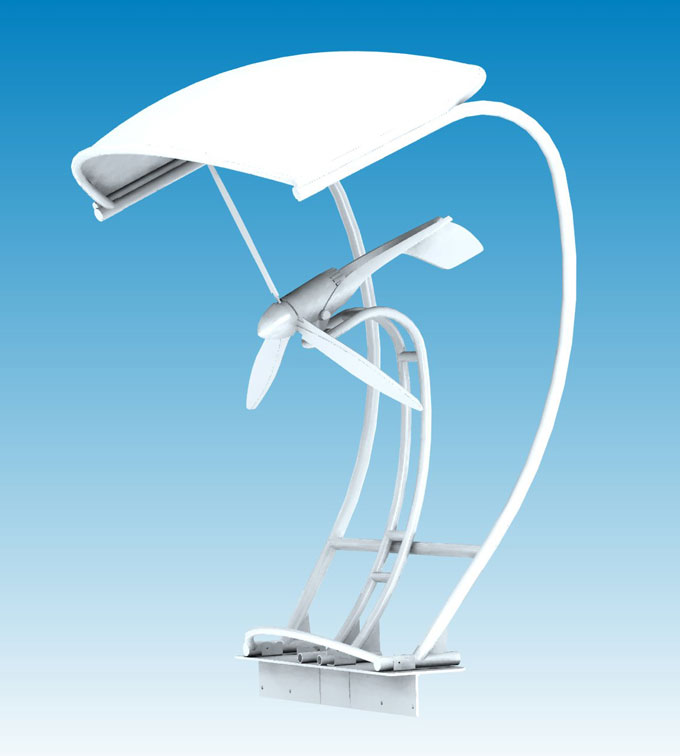
Arguably, the world leader in rooftop wind technology today is AeroVironment and its Architectural Wind division, based in Monrovia, California. In 2006, the company introduced a 400-watt wind turbine designed to take advantage of concentrated wind at the parapets of commercial buildings. That initial model has been replaced by the AVX1000, an elegant, lightweight, 1 kW turbine that bends gracefully from a mounting base on a building’s parapet. The turbines are designed to be installed in a row; 20 grace a Massachusetts Port Authority (MassPort) administrative office building at Logan Airport in Boston.
AeroVironment has pursued horizontal-axis, rather than vertical-axis, wind turbines. Vertical-axis machines “are inherently less efficient by a wide margin,” according to Glenney. “Our patent for leveraging the accelerated wind flow includes vertical-axis wind turbines, but we’ve never pursued them simply because the lower efficiency significantly increases turbine size and, thus, material costs,” he said.

Aerotecture International helical rotor wind turbines

Aerotecture founder Bill Becker, a professor at the University of Illinois, invented this unique wind turbine, described on the company website as a “helical rotor and airfoils housed within … a steel cage.” The lightweight, 10-foot-tall by 5-foot-diameter (3 x 1.5 m) 510V turbine is designed for vertical mounting and rated at 1 kW output—at 32 miles per hour (14 meters per second). While the 510V turbine is rated at 32 mph, the power curve for the unit shows less than 200 watts of output in 20 mph (9 m/s) wind. The cut-in windspeed (when the turbine begins generating electricity) is listed as 6.3 mph (2.8 m/s). The slightly modified 520H is made up of two 510V turbines that are installed horizontally; it is rated at 1.8 kW at 32 mph.
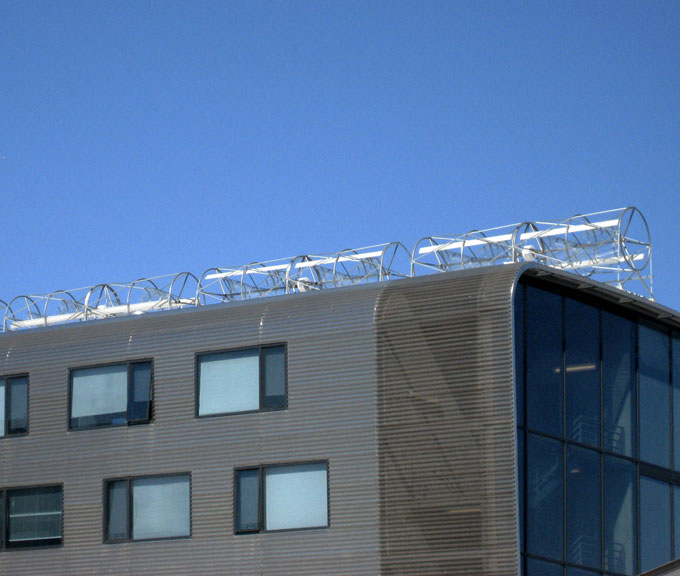
Eight 520H Aerotecture wind turbines were installed on a Mercy Housing Lakefront single-room occupancy building in Chicago in May 2007. Each of these was rated at 1.5 kW (somewhat lower than the currently listed rated output for the 520H)—for a total rated capacity of 12 kW. Unfortunately, there is no data available on the actual performance of these turbines. Aerotecture would not return EBN’s calls, referring us to a public relations agency, which told us by e-mail that “the company is focused on internal development not media coverage at this point, so it’s frankly just not possible to get your query on the agenda.”

Larry McCarthy, the vice president for property management at Mercy Housing Lakefront, told EBN that the turbines “are not all working at this time,” adding that a couple of the alternators are frozen up. A Chicago resident EBN spoke with said he has “rarely seen more than one of the turbines rotating and often not even one.”

Windside and GUS vertical-axis wind turbines

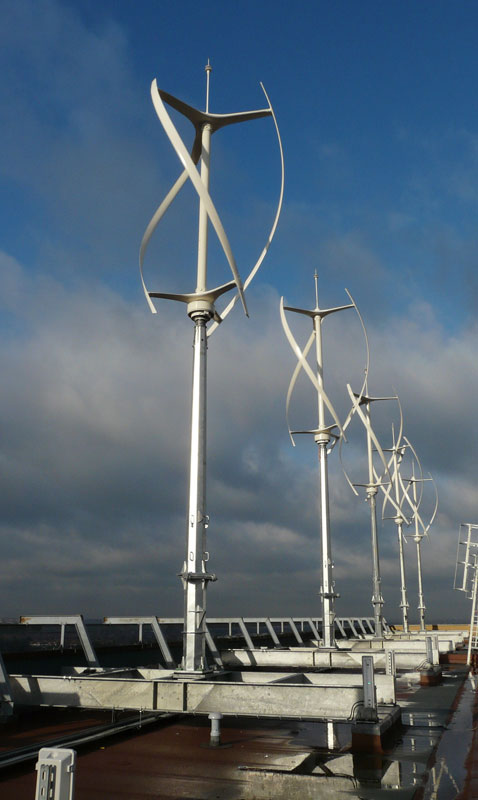
Made in Finland by Oy Windside Production, Windside turbines are Savonius-style, vertical-axis turbines made by forming two spiral vanes (photo page 15). The design was developed in 1979 by Risto Joutsiniemi, and the turbines have been on the market since 1982. Used for charging batteries in harsh, cold climates (they are manufactured just 250 miles, or 400 km, south of the Arctic Circle), some of the turbines are designed for operation in winds up to 130 mph (60 m/s). It is a Windside turbine that is being tested by Madison Gas & Electric in Wisconsin, and these turbines are planned for the Pearl River Tower. The turbines are claimed to be virtually silent: less than 2dB at two meters, according to Raigatta Energy, the Canadian distributor.

The installer of the Wisconsin turbine, Bright Idea Energy Solutions of Evansville, Illinois, no longer carries the Windside products, having replaced them with remarkably similar-looking turbines made by the Flagtown, New Jersey company Tangarie Alternative Power. Creede Hargraves of Bright Idea Energy Solutions says the Tangarie turbines (referred to as Greenpower Utility System or GUS turbines) cost half as much as Windside products—though are still far more expensive than the line of free-standing horizontal-axis turbines that the company sells. They are also larger for the same rated output, which should help to avoid the problems being experienced by Madison Gas and Electric. Hargraves said that he will be replacing that Windside turbine with a GUS model in the summer of 2009.
Quiet Revolution QR5 vertical-axis wind turbine

Currently available only in the U.K, Quiet Revolution’s QR5 is an elegant, eggbeater-style (Darrieus) wind turbine with blades and spokes made from carbon and fiberglass. The 16-foot-tall (5 m) by 10-foot-diameter (3.1 m) turbine is designed for mounting on a mast that is installed either stand-alone or on top of a building. The peak DC power output in 31 mph (14 m/s) wind is 6.2 kW, with the British Wind Energy Association (BWEA) rated power output at 24.6 mph (11 m/s) is 3 kW DC. Power generation can begin at 10 mph (4.5 m/s), and the turbine cuts out at 36 mph (16 m/s). Data from the company on noise production from the turbine shows about 50 dB(A) at 13 mph (6 m/s) and 58 dB(A) at 22 mph (10 m/s). The company’s website lists the price for the turbine and control electronics at 29,600 British Pounds (about $43,000), plus mast and installation.

To date, more than 65 Quiet Revolution turbines have been installed in the U.K., and expansion to other countries is anticipated in 2010 or 2011, according to Phillipa Rogers of the company.

Swift Wind Turbine

Designed and developed by the Scottish company Renewable Devices, the unique carbon-fiber rotor is now being manufactured by Cascade Engineering in Grand Rapids, Michigan. Cascade Engineering will be manufacturing all Swift rotors worldwide and assembling all components of the Swift turbine for the U.S. market. The 7-foot-diameter (2.1 m), five-blade turbine with a distinctive outer rim and twin angled positioning fins, is designed for rooftop mounting using an aluminum mast with a minimum clearance from the roof of two feet (0.6 m). The manufacturer claims its operation to be nearly silent (less than 35 dB in all winds). The turbine is rated at 1.5 kW in 31 mph (14 m/s) wind, and annual production is estimated at “up to 2,000 kWh.” The average cost is $10,000 to $12,000, according to the company.



Final Thoughts

I want to like building-integrated wind. There’s a wonderful synergy in the idea of combining form and function by generating electricity with turbines that reach into the sky on the buildings they will help to power. But in most cases, at least with today’s technology, it just doesn’t make sense.

There is a huge economy of scale with wind power. This has fueled the evolution of ever-larger wind turbines from a few kW of capacity in the 1970s to a few MW today. Small turbines, even stand-alone, pole-mounted turbines, are not very cost-effective. When we put those small turbines on top of buildings, the costs go up and the performance goes down.

Rooftop installations—even the best of them—are too small to be cost-effective, and the air flow too turbulent to be effectively harvested—whether vertical-axis or horizontal-axis. The truly integrated installations that are large enough to generate significant power will be too hard to permit or insure in North America to become a serious option, even if the vibration and noise concerns are successfully addressed.

Paul Gipe vociferously discourages building-integrated wind. Wind just isn’t a good fit, he argues. Cost-effective wind turbines are “too big for the structure of buildings.”

Wind energy has a very important role to play in our energy future, but it is with large, freestanding wind turbines, located on ridgelines, in Midwestern agricultural fields, or in offshore wind farms. The bottom line regarding cost is that while large stand-alone wind farms provide the least expensive renewable electricity today, small, building-integrated wind turbines provide electricity that is more expensive than that produced by PV, while the turbines are more costly to maintain and less dependable.

By all means, power your buildings with wind energy, but do it on a larger scale, remotely, where the turbines can operate in laminar-flow winds and where their vibrations and noise won’t affect buildings and building occupants.

For more information:

American Wind Energy Association

www.awea.org

National Wind Technology Center

National Renewable Energy Laboratory

www.nrel.gov/wind

Warwick Wind Trials Project

www.warwickwindtrials.org.uk

Aerotecture International, Inc.

www.aerotecture.com

AeroVironment, Inc.

www.avinc.com

Quiet Revolution, Ltd.

www.quietrevolution.co.uk

Norwin A/S

www.norwin.dk

Swift Wind Turbines

www.swiftwindturbine.com

Tangarie Alternative Power

www.tangarie.com

Windside Turbines

www.windside.com

Published April 29, 2009

Cost-Effective Green Retrofits: Opportunities for Savings in Existing Buildings

Thinking Beyond Buildings: LEED for Neighborhood Development

Growing Food Locally: Integrating Agriculture Into the Built Environment

Feature

Growing Food Locally: Integrating Agriculture Into the Built Environment

Eli Zabar’s bakery and market on East 91st Street in Manhattan seems like a classic New York market. On my half-dozen visits over as many years, I’ve reveled in the gorgeously displayed vegetables and fruits, the vast array of cheeses, and the wide assortment of breads and pastries baked next door. But Zabar’s market, the Vinegar Factory (named in reference to a prior use of the property), is anything but typical. The sprawling facility connecting multiple buildings demonstrates an unconventional dimension of agriculture: farming that is intertwined with the urban landscape.

In 1995, Eli Zabar, renegade scion of the famous West Side Zabar family, whose markets have been serving New Yorkers for 75 years, began building greenhouses atop his two- and three-story brick buildings on the Upper East Side. These greenhouses, covering nearly a half-acre in area, are producing greens, tomatoes, berries, andeven figs that are sold—not cheaply!—in his market downstairs.

Zabar is ahead of the curve, a pioneer in a trend that is likely to grow dramatically in the coming years. I’ve long been fascinated by the potential for integrating agriculture into the urban landscape—the sea of flat roofs and empty lots in our larger cities. This article looks at the motivation to turn to urban and suburban areas for food production, then examines how to do this, including some of the ways food wastes are being turned into nutrients to grow vegetables, eggs, meat, and fish in our towns and cities.

The Case for Building-Integrated Food

The spike in energy prices in 2008 forced a lot of people to rethink the 1,500-mile journey that, according to author Bill McKibben, an average bite of food travels in the U.S. from where it is grown to where it is eaten. Shipping a head of lettuce from California’s Salinas Valley to New York takes 36 times as many calories as that lettuce contains. According to Lester Brown of the Earth Policy Institute, we consume two-thirds as much energy to transport food as we use to grow it.

Beyond energy cost, there are additional vulnerabilities in our conventional food-production system. Prolonged drought in California, the start of a new La Niña climate pattern that may exacerbate drought, and inadequate long-term flows in the Colorado River all point to a future with possible water shortages in California’s primary vegetable-producing regions. These vulnerabilities are reviving interest in growing food locally.

The closer to home that vegetables are grown, the healthier they are likely to be. Vitamins in fresh produce break down over time, and some vitamins may never fully form in fruits like tomatoes that are often picked green and artificially ripened in transit. The same goes with taste; vine-ripened tomatoes are far tastier than their machine-harvested brethren from hundreds or thousands of miles away. There may also be health benefits to smaller-scale production. In huge agribusiness operations,

Salmonella outbreaks and other contamination problems become national problems affecting thousands of people. According to McKibben, four companies slaughter 81% of the nation’s beef, and a single Ohio farm produces three billion eggs per year. At a smaller scale, any problems that do come up are much more contained, with smaller impacts on the food supply.

Finally, growing food closer to home can help to build awareness of—and appreciation for—food production. Many children growing up today have no relationship with farming; they have never seen a head of lettuce being grown, picked a tomato from the vine, or watched chickens scratching in the soil. Such awareness will help to build respect for the Earth and environment on which we all depend.

Farming and Gardening Vacant Land in Our Cities

Most American cities have a lot of vacant land. A 2000 study by the Brookings Institution,

Vacant Land in Cities: An Urban Resource, reported that 70 major American cities averaged 15% vacant land area. Geographically, cities in the South had the most vacant land (19.3% average) and the Northeast the least (9.6%). A movement has been growing slowly for several decades to use that land productively.

This land can be used both for nonprofit and for-profit agricultural operations and community gardens. Provided here are a few examples out of the hundreds that can be found around North America.

Commercial farming operations

Back in 1968 in Chicago, Ken Dunn recognized the potential that vacant land offered for localizing food production and achieving social goals, and he launched City Farm. The farm is one project of the Resource Center, a nonprofit organization Dunn founded that runs a host of programs devoted to building community and strengthening local economies (www.resourcecenterchicago.org). Dunn grew up on an Amish-Mennonite farm in Kansas and has worked to bring to Chicago the Amish philosophy of nourishing and protecting soil, plants, animals, and community. City Farm began “mostly as a social justice project,” Dunn told

EBN. Over four decades the organization has farmed a varying area of unused land—currently about two acres (0.8 ha)—using a unique model of farming that protects food from being contaminated by the soils below.

“Almost everything in urban areas is contaminated to some level,” Dunn said. He convinces owners of sizeable urban sites (typically one acre or larger) to “loan” the land to City Farm for several years. A site is graded and compacted, then an impermeable four-inch (100 mm) layer of local clay (typically sourced from construction sites as a waste product) is laid down on top of the existing soil. City Farm then puts down safe, uncontaminated compost on top of the clay, creating growing beds that are 24 inches (600 mm) deep. The farm is established in this compost, 1,000 tons of it per acre (2,200 tonnes/ha).

City Farm has ensured that the compost is safe—free of herbicides often used on lawns, for example—by controlling exactly what gets composted. City Farm collects food waste, including meat and dairy, from 18 restaurants in the city. Until recently, the organization composted this organic matter itself, using a massive 15-yard (12 m3) hopper and grinder. This composting operation was spread over an acre of land City Farm owned with rows of compost 15 feet (5 m) deep. In 2008, due to red tape from the City of Chicago, City Farm had to close down its own composting operation, and it now trucks the food waste it collects 80 miles (130 km) to a commercial composting facility in Indiana. The organization hopes soon to be able to produce its own compost again—and regain full control over the quality.

To support its operation—and pay a living wage to its three full-time employees—City Farm sells heirloom tomatoes, salad greens, and other produce to 20 restaurants for top dollar ($3.50/pound for tomatoes and $20/pound for greens). At the same time, farm stands sell produce at more affordable prices to local residents.

While City Farm is currently farming only two acres (0.8 ha), significant expansion is likely in the next year with several contract gardens for specific restaurants and a hospital. The hospital, which had to delay construction of a new building due to tight credit markets, is negotiating with City Farm to custom-farm the one-acre (0.4 ha) site and provide all of the produce to the hospital (which will be able to serve more nutritious food to its patients). Even with this likely expansion, though, Dunn is frustrated that their penetration remains so low in a city with 20,000 acres (8,000 ha) of vacant land. “We could farm 100 more acres every year if people took us seriously,” he said.

SPIN Farming

Dan Bravin and Martin Barrett own City Garden Farms in Portland, Oregon. It is one of dozens of businesses throughout North America that are implementing the “SPIN Farming” model of farming enterprise (SPIN for Small Plot INtensive). In 2008, they farmed a dozen small plots, ranging in size from 500 ft2 (46 m2) to 3,000 ft2 (280 m2) around the city, with total planted area of about a quarter-acre (0.10 ha). The land is in backyards of Portland residents who offer it freely.

City Garden Farms sells its produce through a CSA (community-supported agriculture) program. (In a CSA, members pay a seasonal fee in exchange for a weekly delivery of produce.) The farm recouped its startup costs in 2008—about $11,000 spent primarily on a rototiller, seeder, co-linear hoe, and wheel hoe. “It’s not a year-round, full-time employment income,” Bravin told

EBN, but with some growth in the farm area and in CSA members from the current 50, the farm should soon provide a living.

The SPIN Farming business model was developed by Wally Satzewich and Gail Vandersteen from Saskatoon, Saskatchewan. In the 1980s, they were farming 20 acres (8 ha) of irrigated farmland 40 miles (60 km) north of Saskatoon, but they lived in the city and kept a couple of small plots there for salad crops. They found that they could grow three crops a year on the intensively managed plots in the city and deliver fresher food to their markets. After six years, they sold their larger property and moved their farming totally into the city.

In the years since, they’ve perfected an intensive, standardized, small-plot farming technique based on standard rows governed by the width of their rototiller. Most such operations are managed organically with extensive use of compost. The approach can be used in both urban and suburban areas, the primary limitation being the availability of sites with full access to sunlight.

Satzewich continues to operate a sub-acre farm that is spread over 25 residential backyard plots in Saskatoon, but he and Vendersteen also produce educational guidebooks about SPIN Farming. They have teamed up with Roxanne Christensen, the co-founder and president of the Institute for Innovations in Local Farming in Philadelphia, to promote SPIN Farming in the U.S. Christensen told

EBN that 2,200 people have purchased the SPIN Farming guides and, based on the members of an active SPIN farmers email support group, she estimates that there are about 300 SPIN farmers, mostly in the U.S. and Canada, though also in the U.K., Ireland, Australia, and the Netherlands.

At City Garden Farms, Bravin has standardized beds that are 2' x 25' (0.6 x 7.6 m), and he estimates that each can earn about $100—or $300 per year if three crops are grown on it. His approach is to harvest an entire bed, then prep and reseed that bed. He describes the SPIN Farming approach as very similar to what has been done in Havana, Cuba, since the collapse of the Soviet Union resulted in the island nation losing access to cheap fossil fuels.

Community gardens

Along with various models of commercial-scale farming in urban areas, community gardens have also been growing in popularity. There are thousands of grassroots community garden initiatives throughout North America. Some involve just a few individuals sharing growing space on land owned by a city. Others are more extensive, with multiple garden plots on land owned by a nonprofit community gardening organization; some are on private land.

Nuestras Raices in Holyoke, Massachusetts, is a network of community gardens and farm enterprises in this economically depressed western Massachusetts city of 44,000, 40% of whom are Puerto Rican and with unemployment rates as high as 31% in parts of the city. Nuestras Raices (Spanish for “our roots”) was founded in 1992 as an outgrowth of the La Finquita community gardens in the city (www.nuestras-raices.org). La Finquita today includes 31 family garden plots, including one for the Broderick House, a homeless shelter, while the umbrella organization, Nuestras Raices, has blossomed into a diversified economic- and community-development organization that includes eight different community garden networks, two youth gardens, a women’s leadership group, an environmental justice initiative focused on toxic pollution in the city, a green jobs program, and the four-acre (1.6 ha) Tierra de Oportunidades Farm along the Connecticut River, which was purchased with support from the Trust for Public Land.

In Detroit, another area suffering from extremely high unemployment rates, the nonprofit group Urban Farming has emerged as an important resource in the struggle to address poverty and hunger. The organization, launched in 2005, manages or oversees more than 50 community gardens in Detroit, and it has expanded nationwide with hundreds of gardens in New York, Newark, Minneapolis, St. Louis, Los Angeles, and other cities—more than 400 sites total (www.urbanfarming.org). Urban Farming partners locally with corporations as well as youth groups, senior centers, churches, schools, and other community-based organizations with the mission to “eradicate hunger while increasing diversity, motivating youth and seniors, and optimizing the production of unused land for food and alternative energy.” Harvested food is mostly distributed through local food banks, though neighbors are welcome to pick food for free, according to founder Taja Seville.

Permaculture landscaping

Conventional practice in commercial development of all types is to install generic shrubs and shade trees in a sterile landscape of mounded mulch and turf. One can walk out of almost any office building, school, hotel, or restaurant coast-to-coast, and see the same landscape. Why not devote some of that landscaping cost and effort to trees and shrubs that bear fruit? This is one of the ideas of permaculture, a landscaping practice (the word derived from “permanent” and “agriculture”) pioneered by Bill Mollison of Australia.

While there are plenty of examples of homeowners replacing their lawns with edible landscapes (and a number of excellent books on this topic),

EBN was—remarkably—unable to find any examples of commercial buildings whose owners implemented an edible landscaping strategy. Why can’t employees at a Florida office complex go outside for a mid-afternoon stroll and pick a ripe orange from a well-managed landscape of dwarf citrus trees? Why can’t schoolchildren and teachers in Yakima, Washington, pick cherries, raspberries, and apples during recess? Wouldn’t this be the “low-hanging fruit” of a transition to more localized food production?

Farming Our Rooftops

For an article in 1998 on low-slope roofing (see

EBN

Vol. 7, No. 10), we calculated that the nation’s 4.8 million commercial buildings had about 1,400 square miles (360,000 ha) of roof, most of which is nearly flat—this is an area larger than the state of Rhode Island. While lots of these roofs are shaded by neighboring buildings, are structurally inadequate to support rooftop activity, or are otherwise inappropriate for use, there are lots of buildings where rooftop gardens or greenhouses could very effectively be used for food production.

Green roofs and container farming

Most green roofs today are created to manage stormwater flows, to reduce the urban heat island effect, to save energy, or to create attractive green spaces. Green roofs can also provide “farmland.”

Portland, Oregon, has been a leader in advancing green roofs (eco-roofs, as they are called locally), so it’s no surprise that some examples of food-producing green roofs can be found there. One of them is the Burnside Rocket building, a new mixed-use green building in the Lower Burnside neighborhood of the city. On the roof, Marc Boucher-Colbert manages about 1,000 ft2 (100 m2) of garden space. Included in this growing space are two small sections of intensive green roof (

intensive green roofs have deeper soil than the more common,

extensive green roofs—which are typically planted with sedums), six 3' x 9' (0.9 x 2.7 m) raised beds, and 39 circular plastic planters made from “kiddie” pools, each about four feet (1.2 m) in diameter. For two years, Boucher-Colbert has been growing a variety of produce for the Rocket Restaurant located on the first floor of the building. (Unfortunately, the restaurant closed in late 2008.)

Boucher-Colbert uses a variety of soil amendments for his organically managed gardens, including kelp meal, glacial rock dust, bone meal, blood, worm casings, and commercially available organic fertilizer. His soil depths vary from about 3" (80 mm) for the round planter beds to 18" (460 mm) in the raised beds. When necessary, he waters beds with a solution including a fish-emulsion and kelp organic fertilizer. His goal is year-round food production, offering chefs a variety of healthy, fresh, seasonally appropriate produce. Along with a variety of herbs, Boucher-Colbert has produced lettuce, arugula, tomatoes, peppers, eggplant, summer squash, cucumbers, and various specialty vegetables, such as golden-podded peas.

Using green roofs for food production is not without challenges. Along with the structural loading issues (Boucher-Colbert cautions that one should not follow his example without a thorough inspection by a structural engineer), easy access to the roof is critical. In a multifamily residential or commercial building, occupants may not want urban farmers traipsing with wheelbarrows of fertilizer and muddy tools through a public lobby.

Rooftop greenhouses with soil

Eli Zabar’s greenhouse operation in the Upper East Side of Manhattan illustrates the potential for integrating commercial-scale food production onto rooftops. Significantly more food can be produced over a much longer growing season in rooftop greenhouse operations than with open-air green roofs and container gardens. Zabar’s idea for the greenhouses emerged around 1995 from two of his interests. He wanted to stretch the season during which he could sell fresh, local tomatoes, and he wanted to use the waste heat from a bakery he operates. “When I put the two ideas together, the light bulb went off,” Zabar told

EBN. He currently manages four greenhouses, the largest 40' x 100' (12 x 30 m), with a full-time greenhouse staff of two.

Since he built the first of his rooftop greenhouses, Zabar has always grown in soil. While he has visited lots of successful hydroponic greenhouse operations, he believes that produce grown in soil tastes better. “I’m not interested in hydroponics,” he said. With soil-based growing, he’s also able to make use of compost that he produces on the roof using discards from his market. He has an eight-foot (2.4 m) diameter drum with an auger that is turned regularly to mix the compost. His recipe for compost includes sawdust and bread from his bakery (which supplies about 1,000 restaurants in the city). Zabar would like to compost more of his organic waste but can’t. “We could do a ton more, but there’s a space limitation,” he said.

Ducts from his bakery ovens heat the rooftop greenhouses, providing all of the needed heat for his lettuces and herbs. For tomatoes, he has to supplement that heat to maintain an optimal temperature of 75°F (24°C).

Rooftop hydroponic greenhouses

While Eli Zabar is a strong proponent of soil-based growing, much of the recent interest in rooftop greenhouses has focused on hydroponics, which involves growing plants in nutrient-rich water. This method offers a number of distinct advantages in rooftop applications.

Benjamin Linsley of BrightFarm Systems in New York City (www.brightfarmsystems.com) consults on rooftop greenhouses and claims that hydroponic management is 10–20 times more productive than field agriculture, with far lower water use and higher reliability. After developing the “Science Barge,” a demonstration project with a floating farming component that operated along the Manhattan waterfront in the summers of 2007 and 2008, he shifted his attention to rooftop hydroponic greenhouses. BrightFarm Systems has several hydroponic rooftop greenhouse projects in the queue for construction during the first half of 2009, he told

EBN, and another 15 projects that stand a good chance of moving forward before the end of 2010.

There are three basic hydroponic techniques. With

raft hydroponics, plants are grown on a floating raft with roots extending into nutrient media. This approach adds considerable weight, depending on the depth of the hydroponic tanks, so it is most commonly used in ground-mounted greenhouses, not rooftop applications.

Nutrient film technique (NFT) hydroponics is used for leafy plants, such as lettuce, spinach, and basil; the nutrient solution is circulated through hollow plastic channels that support the plants, and the plant roots hug the surface of the channel to absorb the water and nutrients. This is a recirculation technique; nutrients are added to the solution in the reservoir. Of relevance to rooftop applications is the lighter weight of NFT compared with other hydroponic approaches or soil. The primary weight is the reservoir, which can be located on a portion of the roof that has adequate structural reinforcement—so the entire roof structure may not need to be strengthened.

Dutch bucket hydroponics involves buckets or bags filled with an inert media—such as perlite, vermiculite, or mineral wool—through which the nutrient solution is circulated; this system is used primarily for tomatoes, peppers, root vegetables, and other plants with more substantial stems. In this type of facility, there is greater weight spread throughout the greenhouse, both from the buckets and the plants themselves, which can be quite heavy when fully grown.

Hydroponic farming necessitates precise management—including careful measurement of nutrient concentrations and adjustment of flow rates. Due to its chemical nature, hydroponics has traditionally been harder to manage organically than soil-based agriculture; hydroponic growers need to know precisely how much of various nutrients are being added to the growing solution, and that’s easier to do with synthetic fertilizers. Michael Christian, president of American Hydroponics in Arcata, California (www.amhydro.com), one of the leading suppliers of hydroponic equipment, told

EBN that the hydroponic farming movement has so far been less focused on organic methods. That is beginning to change, though, particularly in Europe.

Aquaponics

Aquaponics is a relatively new approach to food production, combining both recirculation hydroponics and aquaculture (fish production). Some of the earliest research into aquaponics began in the 1970s at the University of the Virgin Islands, where James Rakocy, Ph.D., developed a commercially viable aquaponic system using raft hydroponics. The beauty of aquaponics is that it offers a balanced nutrient cycle that does not require the addition of fertilizers. It also solves one of the significant problems associated with aquaculture: what to do with fish waste.

In an aquaponic system, wastes produced by fish become beneficial fertilizer for hydroponically grown plants. According to Nelson and Pade, Inc., the leading North American firm involved with aquaponics (and publisher of

Aquaponics Journal), ammonia-rich fish wastes are broken down by bacteria into nitrate—the form of nitrogen that plants use. This nutrient solution is used in a recirculating hydroponic system—most commonly raft hydroponics but occasionally NFT or Dutch bucket hydroponics. Due to the weight of fish tanks, aquaculture is rarely a rooftop enterprise, though it would be possible to locate the fish tanks at ground level with NFT hydroponics on the roof.

“Aquaponics has just incredible potential,” Rebecca Nelson, of Nelson and Pade, told

EBN, especially if space is tight. “Even an eighth of an acre [500 m2] could be viable for a commercial operation,” she said, making aquaponics a good option in urban areas as long as there is adequate sunlight for the hydroponics.

Nelson and Pade sells packaged systems for aquaponic farming and provides estimates of annual yield. A small commercial system, occupying a total greenhouse footprint of about 16' x 20' (5 x 6 m) and selling for about $4,000, including all tanks and raft hydroponic trays, is estimated to produce over 180 pounds (82 kg) of fish and 1,500 heads of lettuce (without supplemental lighting) per year.

To date, there aren’t many commercial-scale aquaponic systems operating in North America. One of the most established is AquaRanch Industries in Flanagan, Illinois, where Myles Harston has been working with aquaculture since 1985 and aquaponics since 1992. In twelve 1,200-gallon (4,500 l) fish tanks and eight hydroponic trays measuring 4' x 150' (1.2 x 46 m) in a 12,500 ft2 (1,200 m2) greenhouse, AquaRanch grows tilapia (a freshwater fish favored by aquaculturalists because it does well in low-oxygen, cloudy water) and a wide variety of vegetables including lettuce, kale, chard, herbs, tomatoes, and hot peppers. All of the company’s vegetable produce is certified organic, and Harston is hoping to become certified for organic fish production as soon as that standard, currently under development, is finalized by the U.S. Department of Agriculture. Demand is strong for AquaRanch’s tilapia filets and organic produce, which the company sells through its website. “We are having trouble meeting the demand,” Harston told EBN.

Growing food inside buildings

What about growing food

inside buildings? It’s an idea that has been gaining some attention. BrightFarm Systems is advancing an idea it refers to as the Vertically Integrated Greenhouse. Linsley explained that this technique was originally developed to be incorporated between the layers of glass in a double-skin façade of a commercial building, a system that is more common in Europe than North America. Plants would be grown in little pockets on a vertical frame and managed hydroponically; the inner glazing would separate the greenhouse area from the occupied space.

BrightFarm Systems suggests that the same idea could be implemented on the

inside of the glazing, and the company has built a prototype. Some experts

EBN spoke with expressed their doubts about the wisdom of that approach, though. Vern Grubinger, Ph.D., an Extension professor and sustainable farming specialist with the University of Vermont, argues that living or working with a relatively small number of house plants is fine, “but when it comes to growing food crops in the home or office, the mismatch between what makes humans and plants comfortable can be problematic.” For optimal production, Grubinger says that crops generally require higher humidity, stronger light levels, and hotter temperatures than one finds in occupied buildings. In addition, managing the fertility and pest issues with crops often means applications of materials that people should limit their exposure to. “In short,” he says, “good fences make good neighbors, and in this case the fence is a wall.” Linsley acknowledges potential conflicts and suggests that xeric (dry-loving) herbs may be most appropriate inside buildings. (For more on plants in buildings, see

EBN

Vol. 17, No. 10.)

Chickens and livestock in the city

Believe it or not, chicken farming is gaining steam in lots of cities nationwide. Programs in New York City and Portland, Oregon, encourage homeowners to raise hens for egg production (roosters are usually illegal due to noise concerns). Just Food, the nonprofit organization in New York City that has operated The City Farms community gardening program since 1997, launched its City Chickens program in 2006 and publishes

The City Chicken Guide. Raising hens complements community gardening programs because of the fertilizer chickens produce.

Laws relating to keeping chickens vary widely. In some cities, such as Boston and Toronto, chickens are banned outright. Other cities, such as Seattle and Baltimore, limit numbers and prohibit roosters. Often there are setback requirements from neighbors, and Minneapolis requires that applicants get approval from 80% of neighbors within 100 feet (30 m). Chicken laws for several hundred cities can be found at www.thecitychicken.com.

As with chickens, there is growing interest in raising bees in some cities. While Boston prohibits chickens, it is one of a number of cities that encourage beekeeping to aid in pollination (others include Chicago, Seattle, Dallas, and San Francisco). Though New York City currently bans beekeeping—classifying bees as “wild and ferocious animals” (along with lions and alligators)—there is an active effort in the city to overturn that designation. Awareness of the value of bees has increased as a result of Colony Collapse Disorder, which has devastated commercial beehives throughout the country.

Raising livestock and poultry for meat is less common in cities, though some large cities permit livestock. Growing Power, an urban farm in Milwaukee, raises ducks and goats for slaughter, the latter serving many of the city’s ethnic communities. Growing Power also uses goat milk to make artisan cheeses.

Vertical farms

Some suggest that the ultimate in urban farming will be high-rise farm buildings that might produce everything from algae-based biodiesel to salad greens, eggs, beef, and milk. Magazines such as

Time, Popular Science, and

Scientific American have been rife with articles on this futuristic model of farming. Some articles have even suggested that our meats will be produced in industrial laboratories through cloning of cell tissue—animals won’t even be required.

Dickson Despommier, Ph.D., a professor of Environmental Health Science at Columbia University, has been a leading proponent of this concept through his Vertical Farm Project (www.verticalfarm.com). As an exercise in evaluating possibilities, this is a fascinating discussion, but as a practical reality, it is difficult to imagine that the infrastructure costs of multi-story, vertical farm structures could be even remotely economical. The model also promotes the kind of factory process that many food experts say we should move away from. We’ll leave this discussion, for the time being, to science fiction.

Final Thoughts

Integrating food production into the built environment—from community gardens on empty lots to rooftop hydroponic greenhouses and aquaponics—offers an opportunity to reduce the energy intensity of our food system. This urban and suburban agriculture seems like a new idea, but the basic idea isn’t new at all. A few short generations ago, prior to the industrialization and regionalization of agriculture, local food production was a way of life in America and elsewhere. And in the 1940s, during World War II, Americans were convinced to plant “Victory Gardens,” and they did so by the millions. In 1943, 20 million Victory Gardens produced 40% of America's fresh vegetables, according to the U.S. Department of Agriculture.

Local food production also affords what could prove to be a critically important level of self-sufficiency in an uncertain world. Just as the issue of passive survivability (see

EBN

Vol. 17, No. 4) addressed why and how to create buildings that will maintain livable conditions in the event of extended loss of power or heating fuel or shortages of water, producing more of our food locally offers a level of security we don’t have today. Hopefully, this won’t become necessary, but the chance that it might should be a strong incentive to move in this direction.

For more information:

City Farmer

www.cityfarmer.info

Just Food

www.justfood.org

Nelson and Pade, Inc.

www.aquaponics.com

Sky Vegetables, LLC

www.skyvegetables.com


Published January 29, 2009